
• Login
Upgrade
JStories
  • 日本語
  • 中文 (中国)
No Result
View All Result
  • Home
  • AI
    • Artificial Intelligence
    • Robotics
    • Mobility
    • FinTech
    • Quantum EN
  • Earth
    • Energy
    • Climate Tech
    • AgriTech
    • Clean Tech
    • Disaster Tech
    • SpaceTech
    • Materials EN
  • Life Sciences
    • BioTech
    • HealthTech
    • MedTech
    • AgeTech
  • Society
    • Media
    • EdTech
    • Diversity
    • FemTech
    • Social Impact
  • Lifestyle
    • FoodTech
    • Beauty & Fashion
    • Wellbeing
    • Arts & Music
    • Anime
  • Travel
    • Adventure Travel
    • Luxury Travel
    • Wellness & Medical Tourism
    • Culture
  • Video
  • Deals
    • Venture Capital
    • M&A
    • Events
    • Pitch
    • Growth Support
    • Legal & IP
  • Interview
  • Opinion
  • Home
  • AI
    • Artificial Intelligence
    • Robotics
    • Mobility
    • FinTech
    • Quantum EN
  • Earth
    • Energy
    • Climate Tech
    • AgriTech
    • Clean Tech
    • Disaster Tech
    • SpaceTech
    • Materials EN
  • Life Sciences
    • BioTech
    • HealthTech
    • MedTech
    • AgeTech
  • Society
    • Media
    • EdTech
    • Diversity
    • FemTech
    • Social Impact
  • Lifestyle
    • FoodTech
    • Beauty & Fashion
    • Wellbeing
    • Arts & Music
    • Anime
  • Travel
    • Adventure Travel
    • Luxury Travel
    • Wellness & Medical Tourism
    • Culture
  • Video
  • Deals
    • Venture Capital
    • M&A
    • Events
    • Pitch
    • Growth Support
    • Legal & IP
  • Interview
  • Opinion
en English ja 日本語 zh 中文 (中国)
JStories
No Result
View All Result

Japan’s deep-tech startup Flosfia offers next-gen power chips that allow EVs to travel farther

Ruriko Kokubun by Ruriko Kokubun
07/14/2023
in AI, Clean Tech, Earth, Energy, Mobility, News
0
Home AI
Share on FacebookShare on Twitter

J-STORIES – Power semiconductors are semiconductors designed to handle high currents and voltages and are used in many different modern electric devices, including smartphones, PCs, electric vehicles, and equipment for solar panel electricity generation. Traditionally, they have been made from the widely used raw material silicon, but Japanese researchers are now working on the mass production of power semiconductors made from gallium oxide, a cutting-edge material with the potential to vastly exceed the performance of silicon.

One of the leaders in this field, on which the future of the semiconductor industry is said to depend, is Flosfia, a startup from Kyoto University founded in March 2011. The company has a plant and development department near the institution’s Katsura campus, a new research and education center for technology and science.

Current Flosfia president Toshimi Hitora joined the company in 2012, converted its previous business of desalination filtration membrane technology to developing power semiconductors. These components must withstand high current and voltage, while also reducing power consumption as much as possible (i.e., “low power loss”.) Traditionally, silicon is the main material used to make these devices and key to making them smaller and more power efficient, but next-generation materials such as silicon carbide and gallium nitride are also making inroads.

According to the company, gallium oxide is a material that offers even higher performance. It has an extremely hard “corundum” crystal structure, similar to rubies and sapphires, and the company estimates that its low power loss is 7,000 times better than that of silicon and 20 times that of silicon carbide. What’s more, Hitora told J-Stories that gallium nitride power semiconductors can be produced at one-fifth to one-tenth the cost of silicon carbide and gallium nitride equivalents.
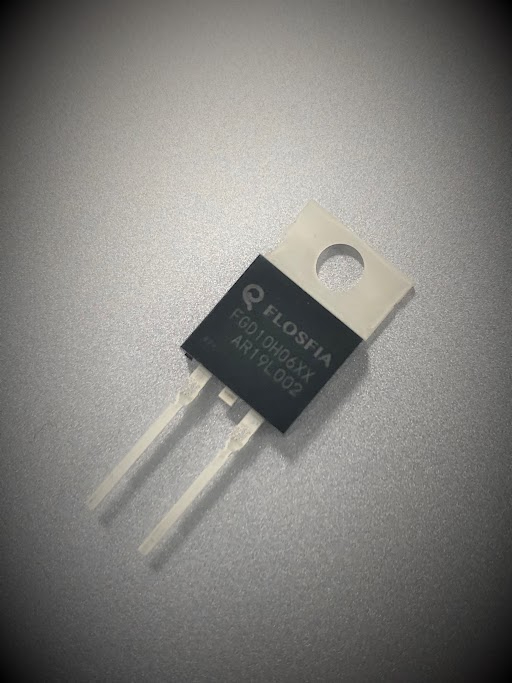
     FLOSFIA Semiconductor?     Source: FLOSFIA

This is in part thanks to a “mist CVD” method, conceived at Kyoto University then developed by Flosfia. A thin film of metal is deposited at the atomic level, bringing down new-material semiconductor costs close to that of silicon. Flosfia is joined in its research and development of gallium oxide power semiconductors by companies, universities, and research institutions that include the startup Novel Crystal Technology in Saitama Prefecture near Tokyo. Anticipating the potential of the new technology, investment has also come from companies such as Denso, an auto parts manufacturer, Yaskawa Electric, an industrial robot manufacturer, and Daikin Industries, well-known for its air conditioners.
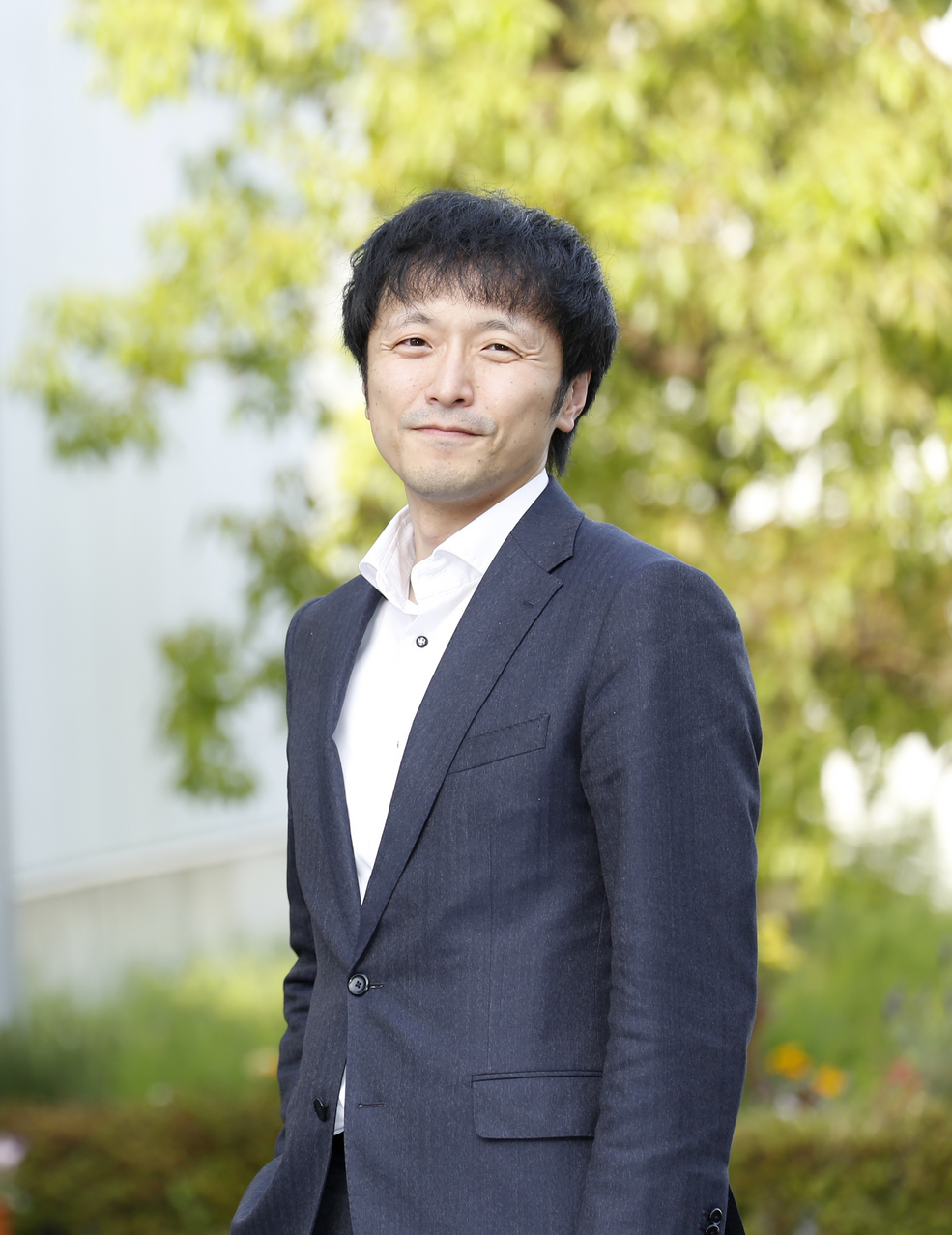
Hitora CEO     Source: FLOSFIA

Flosfia’s gallium oxide semiconductors have already met all industry criteria for reliability, with the next step mass production. The company hopes to produce 1 million units per month. To date, the company has applied for around 700 patents and been granted over 200. It has also raised around 4.2 billion yen in funds, enabling it to increase its staff to 60.

The company’s name Flosfia is a combination of the ancient Greek for knowledge, “sophia” and the English word flow. Hitora told of his hope that this “flow of knowledge” will enable the company to keep refining semiconductor performance and increase its product range.

Translation by Tony McNicol

Top page photo by FLOSFIA

For inquiries about this article, please contact jstories@pacficbridge.jp


Click here for the Japanese version of the article.

Tags: chipElectronicsEvSemiconductor
Previous Post

Astroscale: Pioneering space debris cleanup technology for a sustainable future

Next Post

Harmonizing tradition and technology with immersive sound experience

Ruriko Kokubun

Ruriko Kokubun

Related Posts

When digital and physical worlds meet – Interview with Yoichi Ochiai 何がすごい? 〜 現実とデジタルを融合する、落合陽一の世界
Video

When digital and physical worlds meet – Interview with Yoichi Ochiai 何がすごい? 〜 現実とデジタルを融合する、落合陽一の世界

by JStories_Admin
04/01/2026
Ai Heart Japan
Pitch

Ai Heart Japan

by JStories_Admin
04/01/2026
Assist motion
Pitch

Assist motion

by JStories_Admin
04/01/2026
Aster
Pitch

Aster

by JStories_Admin
04/01/2026
Challenergy
Pitch

Challenergy

by JStories_Admin
04/01/2026
Next Post

Harmonizing tradition and technology with immersive sound experience

Leave a Reply Cancel reply

Your email address will not be published. Required fields are marked *

Videos

Round-up Video #21

07/21/2022

Taking action for peace

11/30/2022

Round-Up Video #35

11/24/2022

Browse by Tags

#Startup Aging Society Ai Alternative Energy biotechnology Climate Change Community Education Event Food foodtech Health Inclusion Infrastructure Innovation Interview J-Stories Japan Japan-Taiwan Innovation Summit Japan startups Japan Tech Labor Living Nature Podcast Recycling Refugees robotics Society Space Startup Ecosystem Startups SusHI Tech Tokyo Sustainability Sustainable Society Taiwan Technology Tokyo Tokyo Innovation Base Tokyo Metropolitan Government Tokyo Updates venture capital video Wealth Zero Waste
JStories

©Articles and photos published on JSTORIES are protected by Japanese copyright law and international treaties. They cannot be reproduced without the permission of the copyright holders

Explore JStories

  • About Jstories
  • Company
  • Contact
  • Home
  • Partner Press Releases
  • Privacy Policy
  • Team

Follow Us

Welcome Back!

Login to your account below

Forgotten Password?

Retrieve your password

Please enter your username or email address to reset your password.

Log In
No Result
View All Result
  • Home
  • AI
    • Artificial Intelligence
    • Robotics
    • Mobility
    • FinTech
    • Quantum EN
  • Earth
    • Energy
    • Climate Tech
    • AgriTech
    • Clean Tech
    • Disaster Tech
    • SpaceTech
    • Materials EN
  • Life Sciences
    • BioTech
    • HealthTech
    • MedTech
    • AgeTech
  • Society
    • Media
    • EdTech
    • Diversity
    • FemTech
    • Social Impact
  • Lifestyle
    • FoodTech
    • Beauty & Fashion
    • Wellbeing
    • Arts & Music
    • Anime
  • Travel
    • Adventure Travel
    • Luxury Travel
    • Wellness & Medical Tourism
    • Culture
  • Video
  • Deals
    • Venture Capital
    • M&A
    • Events
    • Growth Support
    • Legal & IP
  • Interview
  • Opinion

©Articles and photos published on JSTORIES are protected by Japanese copyright law and international treaties. They cannot be reproduced without the permission of the copyright holders

Are you sure want to unlock this post?
Unlock left : 0
Are you sure want to cancel subscription?