

JStories — The gut is often called the body’s “second brain” because it can function independently while remaining in constant communication with the brain. Recent research has shown that the trillions of bacteria living in the gut play a critical role in this “gut-brain axis,” helping to detect and respond to physical and emotional changes.
The intestinal tract is home to roughly 1,000 species of gut bacteria. This gut microbiome — the community of microorganisms living in the intestines — weighs between 1 and 2 kilograms in an adult. These bacteria are now known to perform a wide range of functions, including blocking pathogens, digesting dietary fiber, producing vitamins, regulating the immune system and synthesizing neurotransmitters such as dopamine and serotonin. The field has emerged as one of the most closely watched areas of biomedical research.
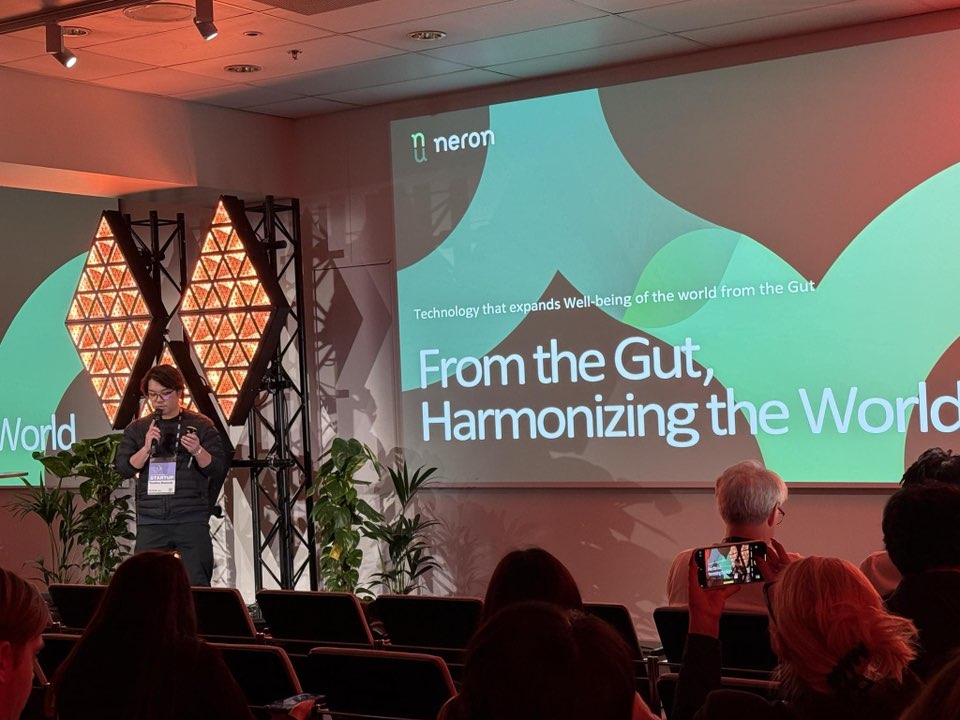
NERON Inc., a startup headquartered in Shibuya and led by CEO Yasuhisa Nagasaki, is working to harness the power of these bacteria to improve mental well-being. Neron was among the first companies certified under Shibuya Ward’s S-Startups program, which supports promising local startups.
Technology to support well-being
Neron is developing a “gut microbiome cocktail” — a blend of bacteria designed to ease anxiety and stress. Drawing from a publicly available list of gut bacteria compiled in Finland, consistently ranked among the world’s happiest countries, the company identified strains suited to three priorities: safety, proliferation and the secretion of serotonin, often called the “happiness hormone.” Researchers then conducted cell-based trials to determine the most effective combinations and ratios for promoting serotonin production.
From an initial pool of 10 billion possible combinations, the company narrowed its selection to three bacterial strains based on metrics tied directly to brain function. Neron aims to market the formulation to help alleviate mood and sleep disorders, loss of appetite, low stress tolerance and other psychological and physiological problems.
The company says its goal is to use gut bacteria to address the root causes of stress and health problems. Its product, delivered in capsule form, is intended to prevent illness before it develops. Nagasaki, who has more than a decade of experience researching gut bacteria, believes the field is poised for major growth.
“This area is going to grow into an essential technology for supporting human health and well-being,” he said. “I want to help drive that progress and contribute to better health outcomes.”
The company has two key strengths, Nagasaki says. First, it has built a proprietary platform for screening bacteria. Second, it has pursued an integrated approach from the outset, combining basic research, commercialization and a patent strategy aimed at broad market adoption. Neron plans to package the bacteria into capsules that deliver consistent results for a wide range of users.
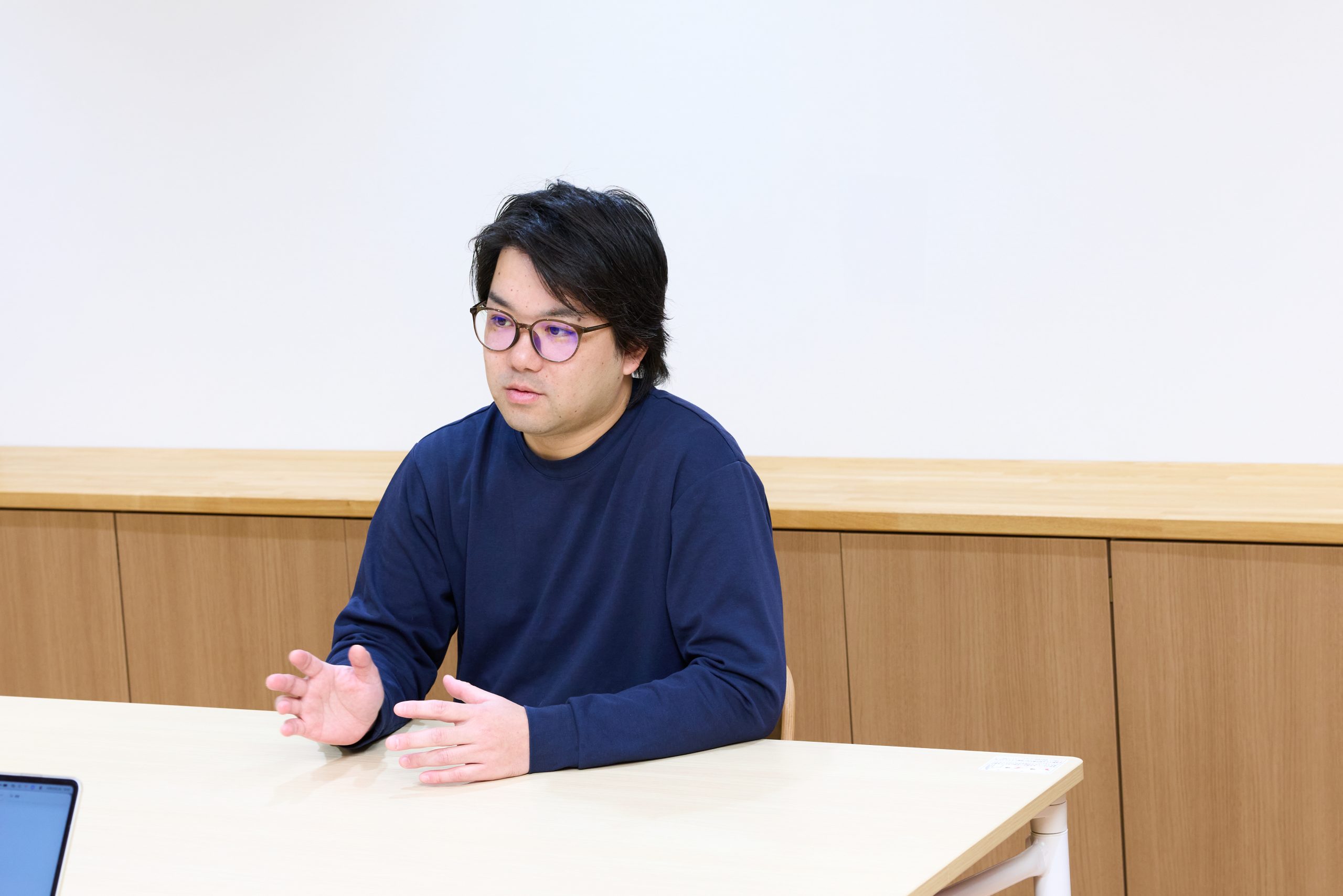 Yasuhisa Nagasaki, CEO of Neron Inc.
The company has completed cell-screening work and is conducting animal safety and efficacy studies. After the safety trials are finished, Neron plans to move into clinical trials and proof-of-concept testing, with the goal of launching its first product in 2027.
In mouse studies, the company has begun to see evidence that immune cells in the brain become activated, that oxidative stress — sometimes described as the body’s “rusting” — is reduced and that levels of purines decline. Early data also suggest the bacteria may slow age-related deterioration. If the company can also demonstrate mental health benefits, it plans to develop additional products targeting physical health and longevity.
Neron is positioning its first product in a new category that sits between pharmaceuticals and food. The recommended dose will be one capsule per day. The company is initially targeting people who experience significant mental stress but have not been diagnosed with depression — what Nagasaki calls the “gray zone” — along with top athletes, entrepreneurs and corporate executives who face high-pressure work environments. Neron has its sights set on eventual drug development as well. The company is aiming for a retail price of roughly 200 to 300 yen ($1.30 to $1.95) per day to make the product widely accessible.
A future role in space
Nagasaki says Neron’s biggest challenges are funding and reproducibility. “Proving that changes in the brain are caused by activity in the gut takes time,” he said. “We’re seeing signs that the two are connected, but confirming it requires a steady accumulation of experiments. At the same time, we have to move quickly to bring the product to market.”
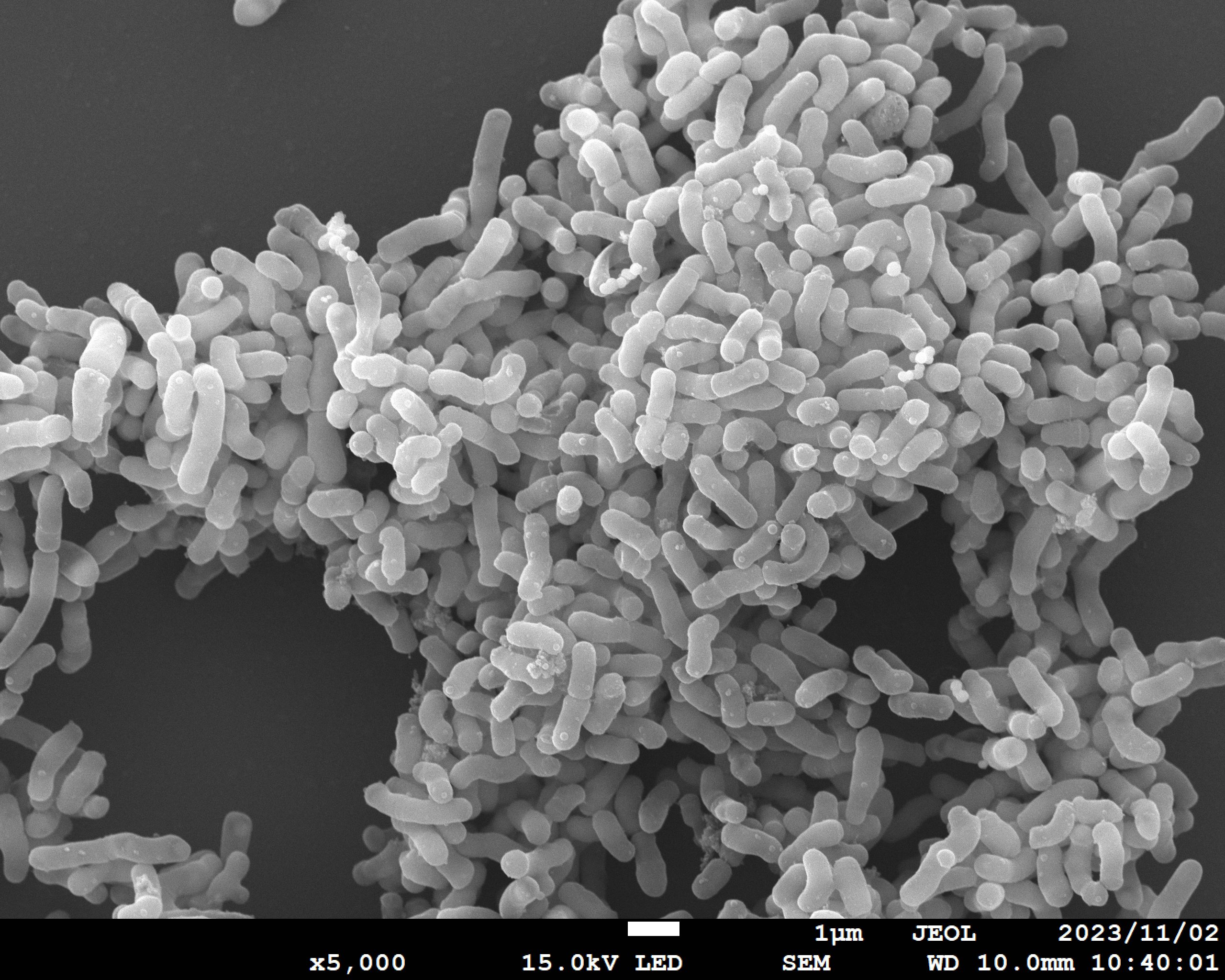
Although advances in analytical technology have accelerated the study of gut bacteria, much remains unknown. Researchers estimate that only 15% to 20% of gut bacteria have been identified. Asked where he sees Neron in five to 10 years, Nagasaki outlined an ambitious vision.
“In five years, I want us to have expanded our mental biotics business globally,” he said “Beyond mental health, we’ll have launched products targeting physical health and longevity, and we’ll be in a growth phase that puts a public listing within reach.
““In 10 years, I want to live in a society where it’s normal to use designed gut bacteria to enhance well-being — and I want our company to be helping make that happen. With personalized, made-to-order gut bacteria products, we can help build a better society.”
Looking further ahead, Nagasaki says Neron is exploring the possibility of launching gut bacteria into space aboard satellites. By comparing bacteria that have traveled to space with those that remained on Earth, the company hopes to determine whether the strains retain their properties — research that could have applications for astronauts and future space travelers. Long-duration spaceflight is already known to reduce gut microbial diversity and contribute to declines in mental health, muscle mass and bone density.
“If we can deliver a gut bacteria cocktail that supports mental health, physical health and longevity, we may also be able to contribute to well-being in space,” Nagasaki said.
Translated by Mark Goldsmith
Edited by Mark Goldsmith
Top photo: Neron Inc.
For inquiries regarding this article, please contact jstories@pacificbridge.jp