


JStories — Weather-related disasters linked to global warming are occurring with increasing frequency around the world, intensifying calls to reduce carbon emissions from our daily lives, economies, and industrial activities. Yet global temperatures continue to rise. Under the Paris Agreement, countries agreed to pursue efforts to limit the rise in average global temperature to 1.5°C above pre-industrial levels, but a recent UN report warns that the world could breach that threshold within a few years.
There are many reasons society has been slow to decarbonize, but one major hurdle is the enormous amount of time and effort required to accurately calculate emissions of carbon dioxide (CO2) and other greenhouse gases (GHGs) — and then put those calculations to use in carbon credit programs.
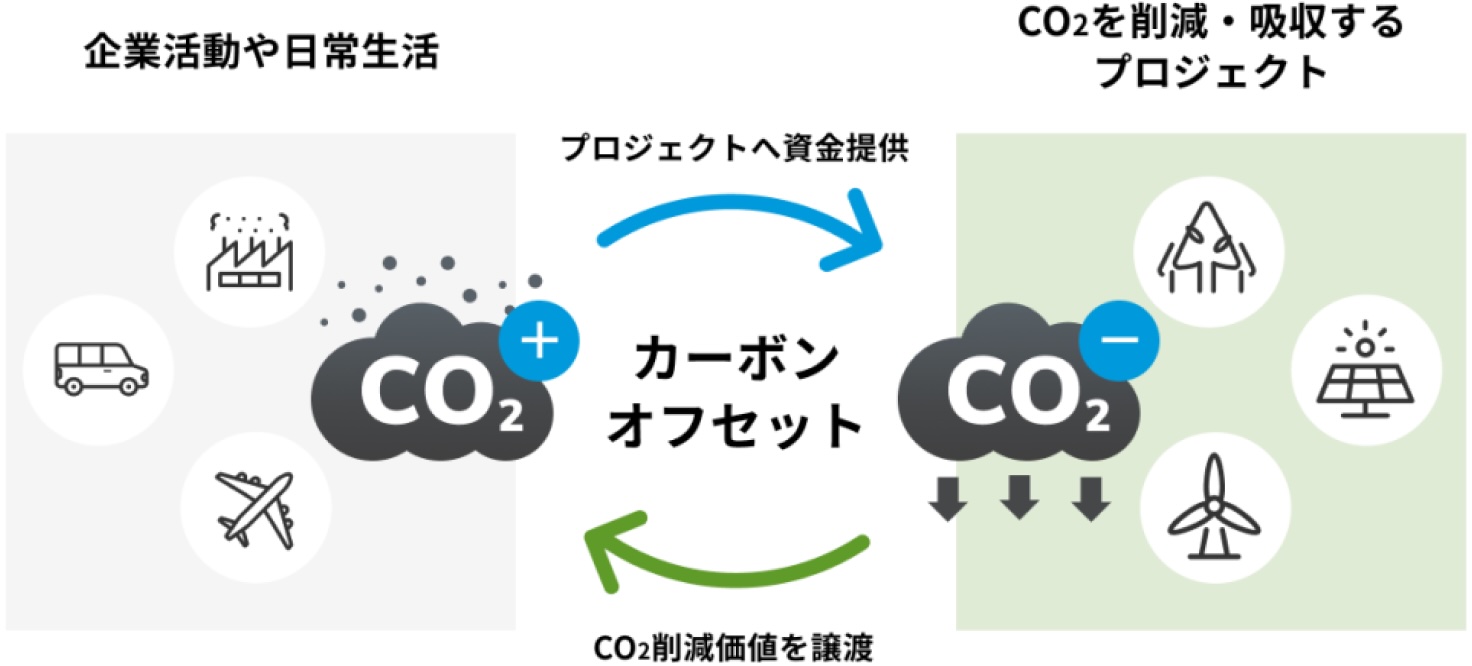
Carbon credits quantify reductions in CO2 emissions and make those reductions tradable. Companies use the credits to offset their own emissions, making them an important tool for advancing decarbonization in business operations. However, the practical work is complex. Standards and methods for quantification differ from industry to industry, for example, and achieving carbon neutrality (net-zero greenhouse gas emissions) is no simple matter.
Visualizing CO2 emissions online
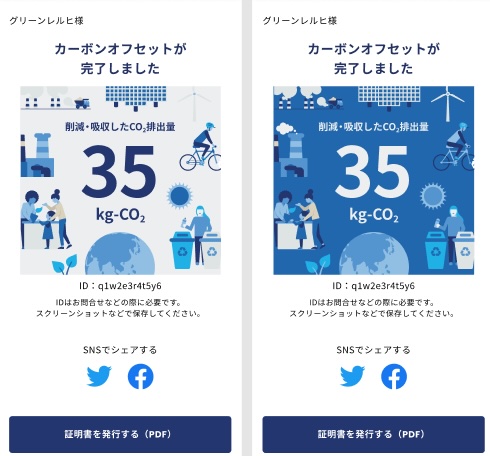
Against this backdrop, a service that allows businesses to calculate the GHG emissions of their products and services online is drawing attention. It also enables them to purchase carbon credits to offset those emissions and achieve carbon neutrality.
The service, called “Susport,” was developed by Sustineri, Inc., an environmental tech company headquartered in Shibuya-ku, Tokyo. The platform allows companies to calculate and visualize the GHG emissions associated with their business activities in fine detail, all on the web. They can then purchase carbon credits through the platform to achieve carbon neutrality.
The company was founded in 2021 by CEO Yosuke Hariu, who previously worked as a climate change consultant. “I wanted to go beyond merely giving advice and contribute directly to society by drawing on my own expertise,” Hariu says.
The company’s purpose is “Making sustainable choices part of everyday life,” adds Executive Officer Yohei Funakoshi. “We aim to make thinking about environmental issues a natural part of daily life.”
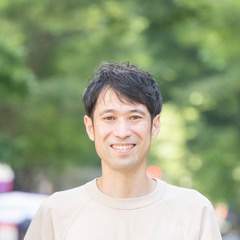

Sustineri CEO Yosuke Hariu (left) and Executive Officer Yohei Funakoshi (right)
For instance, when consumers shop online, the GHG emissions associated with a product and its transport could be automatically calculated and visualized. If they could also purchase carbon offsets, even in small amounts, consumers could become more aware of their environmental impact simply through an everyday purchase.
Expanding into the construction industry, with an eye on overseas markets
Calls for companies to strengthen their efforts to reduce GHG emissions are growing around the world. In Europe, legal frameworks such as the Carbon Border Adjustment Mechanism (CBAM), which imposes a carbon price on certain imported goods, have been introduced.
In Japan, too, large companies whose CO2 emissions exceed a certain threshold are required as of this fiscal year to participate in a full-fledged emissions trading scheme (GX-ETS). More and more companies are also requiring their suppliers to track and disclose GHG emissions across the entire supply chain. As a result, it is becoming increasingly important for businesses to simplify the process of calculating and visualizing those emissions.
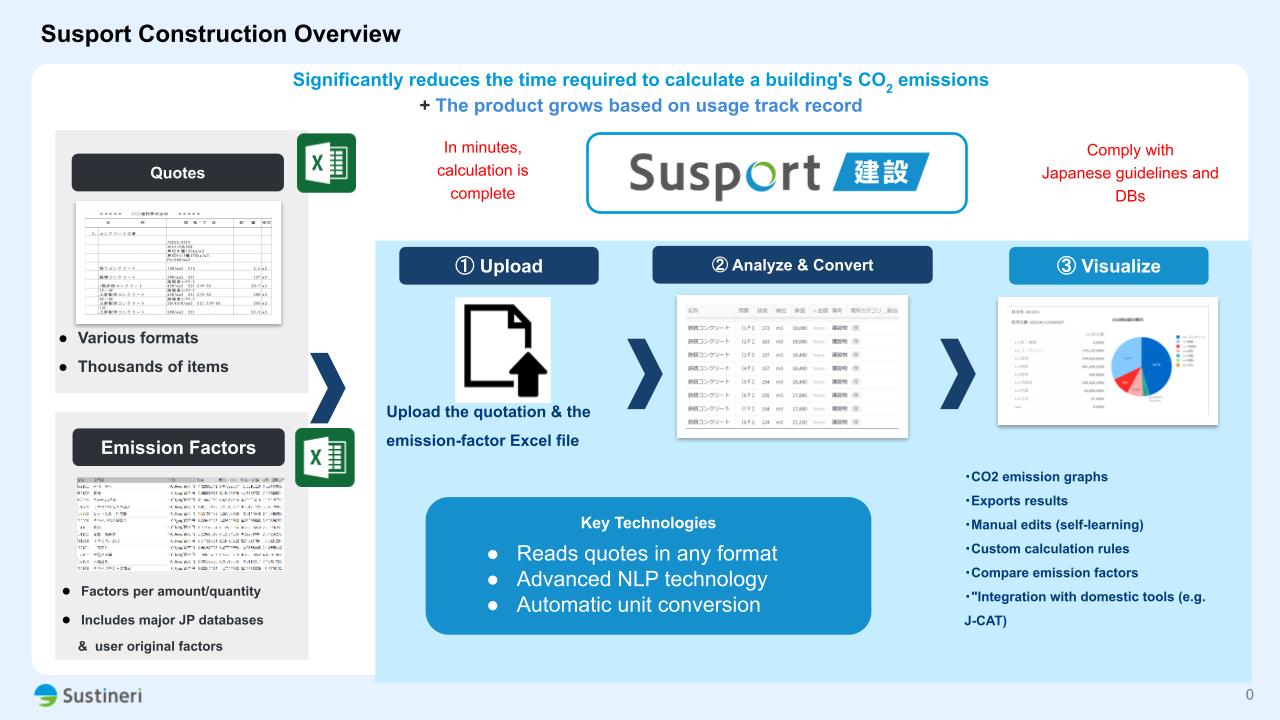
Sustineri is currently focusing on “Susport Construction,” a service designed specifically for the construction industry. The sector accounts for a large share of GHG emissions, and Japan plans to introduce a system around fiscal 2028 to promote the calculation and assessment of emissions over a building’s entire life cycle. However, the calculations are complex and involve enormous amounts of data, leaving many companies unsure how to proceed.
In Japan’s construction industry, for example, materials are specified in great detail, down to individual model numbers, making emissions calculations extremely difficult. With Susport Construction, users can simply have AI read complex estimate documents. The service organizes the information on model numbers and automatically calculates the CO2 emissions associated with materials and construction work.
Sustineri also provides end-to-end support, recommending low-carbon materials and even handling carbon offsetting. This detailed approach, tailored to each company’s business structure, has been well received, and the service is already being used by numerous companies.
Going forward, the company plans to make Susport Construction a core part of its business while expanding specialized services into other industries. It also plans to develop systems tailored to individual countries and industries, drawing on its experience in Japan, with an eye to expanding into markets such as Southeast Asia and Africa. The company also sees these regions as potential sources of carbon credits.
“During my time at a trading company, I saw firsthand the challenges of decarbonization in Africa and realized that a global response is essential,” Funakoshi says. “I want to help build a society in which people around the world naturally consider their environmental impact and make informed choices about how they act.”
Translated by Mark Goldsmith
Edited by Mark Goldsmith
Top photo: Envato
For inquiries regarding this article, please contact jstories@pacificbridge.jp