• Login
Upgrade
JStories
  • 日本語
  • 中文 (中国)
No Result
View All Result
  • Home
  • AI
    • Artificial Intelligence
    • Robotics
    • Mobility
    • FinTech
    • Quantum
  • Earth
    • AgriTech
    • Green Innovation
    • Disaster Tech
    • SpaceTech
    • Materials
  • Life Sciences
    • BioTech
    • HealthTech
    • MedTech
    • AgeTech
  • Society
    • Media
    • EdTech
    • Diversity
    • FemTech
    • Social Impact
  • Lifestyle
    • FoodTech
    • Beauty & Fashion
    • Wellbeing
    • Arts & Music
    • Anime
  • Travel
    • Adventure Travel
    • Luxury Travel
    • Wellness & Medical Tourism
    • Culture
  • Video
  • Deals
    • Venture Capital
    • M&A
    • Events
    • Pitch
    • Growth Support
    • Legal & IP
  • Interview
  • Opinion
  • Home
  • AI
    • Artificial Intelligence
    • Robotics
    • Mobility
    • FinTech
    • Quantum
  • Earth
    • AgriTech
    • Green Innovation
    • Disaster Tech
    • SpaceTech
    • Materials
  • Life Sciences
    • BioTech
    • HealthTech
    • MedTech
    • AgeTech
  • Society
    • Media
    • EdTech
    • Diversity
    • FemTech
    • Social Impact
  • Lifestyle
    • FoodTech
    • Beauty & Fashion
    • Wellbeing
    • Arts & Music
    • Anime
  • Travel
    • Adventure Travel
    • Luxury Travel
    • Wellness & Medical Tourism
    • Culture
  • Video
  • Deals
    • Venture Capital
    • M&A
    • Events
    • Pitch
    • Growth Support
    • Legal & IP
  • Interview
  • Opinion
en English ja 日本語 zh 中文 (中国)
JStories
No Result
View All Result

Zapping parasites with ‘pulse power’

Yui Sawada by Yui Sawada
09/21/2022
in BioTech, Life Sciences, News
0
Home Life Sciences BioTech
Share on FacebookShare on Twitter

J-STORIES – Sashimi is a Japanese delicacy that has gained global popularity.  But the slices of raw seafood from which the dish takes its name can harbor dangerous parasites. Now, however, researchers in Japan have found a way to make sashimi safe by zapping the parasites with electricity.

Conventional methods of dealing with parasitical worms include removing them by hand, or by heating and freezing the meat. But such techniques can alter the taste and texture of the product.

The new method gets around this problem by electrocuting parasites using hundreds of 15,000-volt pulses of electricity, each lasting only a millionth of a second. This ensures the temperature of the fish does not rise, effectively preserving its taste and texture.
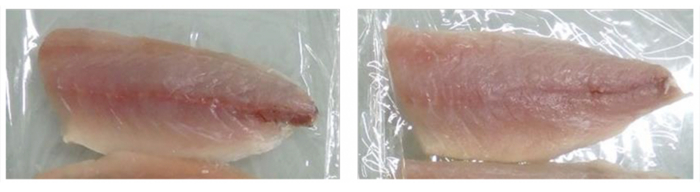
Mackerel sashimi before (left) and after the treatment, which does not affect the fish’s taste and texture.     Source: Kumamoto University / Japan Seafoods

The so-called “pulse power” method was co-developed by researchers at Kumamoto University and Japan Seafoods, a Fukuoka company that handles processed marine products, particularly “saba” (mackerel) and “aji” (horse mackerel). Both types of fish are especially prone to infection by a parasitic roundworm called anisakis, which can pose a health risk to humans.

Interestingly, by adjusting the voltage, current and duration of the pulses, the same technology can be turned to very different applications.
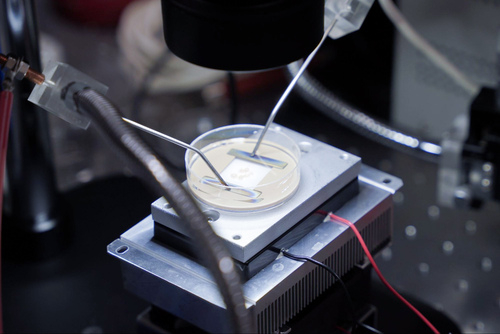
A device to apply pulse power to anisakid parasites and monitor the results.     Source: J-Stories

For example, pulse power can be used to separate concrete into cement, gravel and sand without damaging the component materials. According to researchers at Kumamoto University, which has the largest pulse power research facilities in Japan, this could be used to process concrete that was irradiated following the Fukushima nuclear disaster in 2011. Since only its surface is radioactive, the concrete can be broken down using pulse power, and the leftover gravel and sand reused.

Other potential uses include breaking down pollutant gases, such as carbon dioxide, which the researchers say would be a world first.
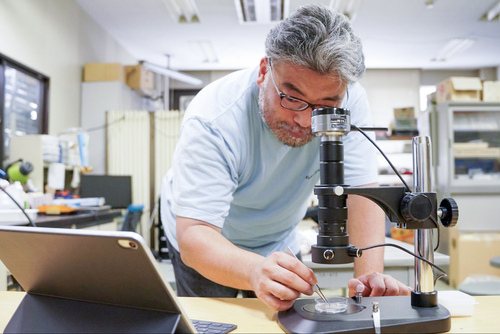
Takao Namihira looks at anisakid parasites through a microscope.     Source: J-Stories

Although pulse power has many possible applications, cost may be an issue, said Takao Namihira, an associate professor at Kumamoto University and leader of the research team. The problem is not power consumption, which is relatively low due to the very short duration of the pulses, but the cost to install the system itself.

Nevertheless, while no one knows exactly how the technology might be used, anisakis-zapping is undoubtedly just the start for pulse power, he told J-Stories.

“We want to know what needs there are for pulse power around the world,” he said. “If people suggest needs that we haven’t noticed yet, we might be able to revolutionize various manufacturing systems in today’s society.”

Translation and Editing by Tony McNicol

Top page photo by Lazy_Bear / Envato

For inquires about this article, please contact us at jstories@pacificbridge.jp


Click here for the Japanese version of the article.

Tags: FoodNatureTechnologyWild Life
Previous Post

Round-up Video #26

Next Post

Japan’s first meat alternative specialist

Yui Sawada

Yui Sawada

Related Posts

When digital and physical worlds meet – Interview with Yoichi Ochiai 何がすごい? 〜 現実とデジタルを融合する、落合陽一の世界
Video

When digital and physical worlds meet – Interview with Yoichi Ochiai 何がすごい? 〜 現実とデジタルを融合する、落合陽一の世界

by JStories_Admin
04/01/2026
Ai Heart Japan
Pitch

Ai Heart Japan

by JStories_Admin
04/01/2026
Assist motion
Pitch

Assist motion

by JStories_Admin
04/01/2026
Aster
Pitch

Aster

by JStories_Admin
04/01/2026
Challenergy
Pitch

Challenergy

by JStories_Admin
04/01/2026
Next Post

Japan’s first meat alternative specialist

Leave a Reply Cancel reply

Your email address will not be published. Required fields are marked *

Videos

Round-Up Video #31

10/27/2022

Round-Up Video #39

12/22/2022

Round-up Video #13

05/26/2022

Browse by Tags

#Startup Aging Society Ai Alternative Energy biotechnology Climate Change Community Education Event Food foodtech Health Inclusion Infrastructure Innovation Interview J-Stories Japan Japan-Taiwan Innovation Summit Japan startups Japan Tech Labor Living Nature Podcast Recycling Refugees robotics Society Space Startup Ecosystem Startups SusHI Tech Tokyo Sustainability Sustainable Society Taiwan Technology Tokyo Tokyo Innovation Base Tokyo Metropolitan Government Tokyo Updates venture capital video Wealth Zero Waste
JStories

©Articles and photos published on JSTORIES are protected by Japanese copyright law and international treaties. They cannot be reproduced without the permission of the copyright holders

Explore JStories

  • About Jstories
  • Company
  • Contact
  • Home
  • Partner Press Releases
  • Privacy Policy
  • Team

Follow Us

Welcome Back!

Login to your account below

Forgotten Password?

Retrieve your password

Please enter your username or email address to reset your password.

Log In
No Result
View All Result
  • Home
  • AI
    • Artificial Intelligence
    • Robotics
    • Mobility
    • FinTech
    • Quantum
  • Earth
    • AgriTech
    • Green Innovation
    • Disaster Tech
    • SpaceTech
    • Materials
  • Life Sciences
    • BioTech
    • HealthTech
    • MedTech
    • AgeTech
  • Society
    • Media
    • EdTech
    • Diversity
    • FemTech
    • Social Impact
  • Lifestyle
    • FoodTech
    • Beauty & Fashion
    • Wellbeing
    • Arts & Music
    • Anime
  • Travel
    • Adventure Travel
    • Luxury Travel
    • Wellness & Medical Tourism
    • Culture
  • Video
  • Deals
    • Venture Capital
    • M&A
    • Events
    • Growth Support
    • Legal & IP
  • Interview
  • Opinion

©Articles and photos published on JSTORIES are protected by Japanese copyright law and international treaties. They cannot be reproduced without the permission of the copyright holders

Are you sure want to unlock this post?
Unlock left : 0
Are you sure want to cancel subscription?