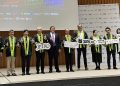



TOKYO — Japan’s search for stable supplies of lithium, copper and rare earths — the raw materials behind electric vehicles, semiconductors and artificial intelligence — is increasingly pointing toward Latin America and the Caribbean. At the Japan-LAC Business Forum 2026, held this week in Tokyo, the Japanese government and the Inter-American Development Bank (IDB) Group put fresh money and new institutions behind that shift.
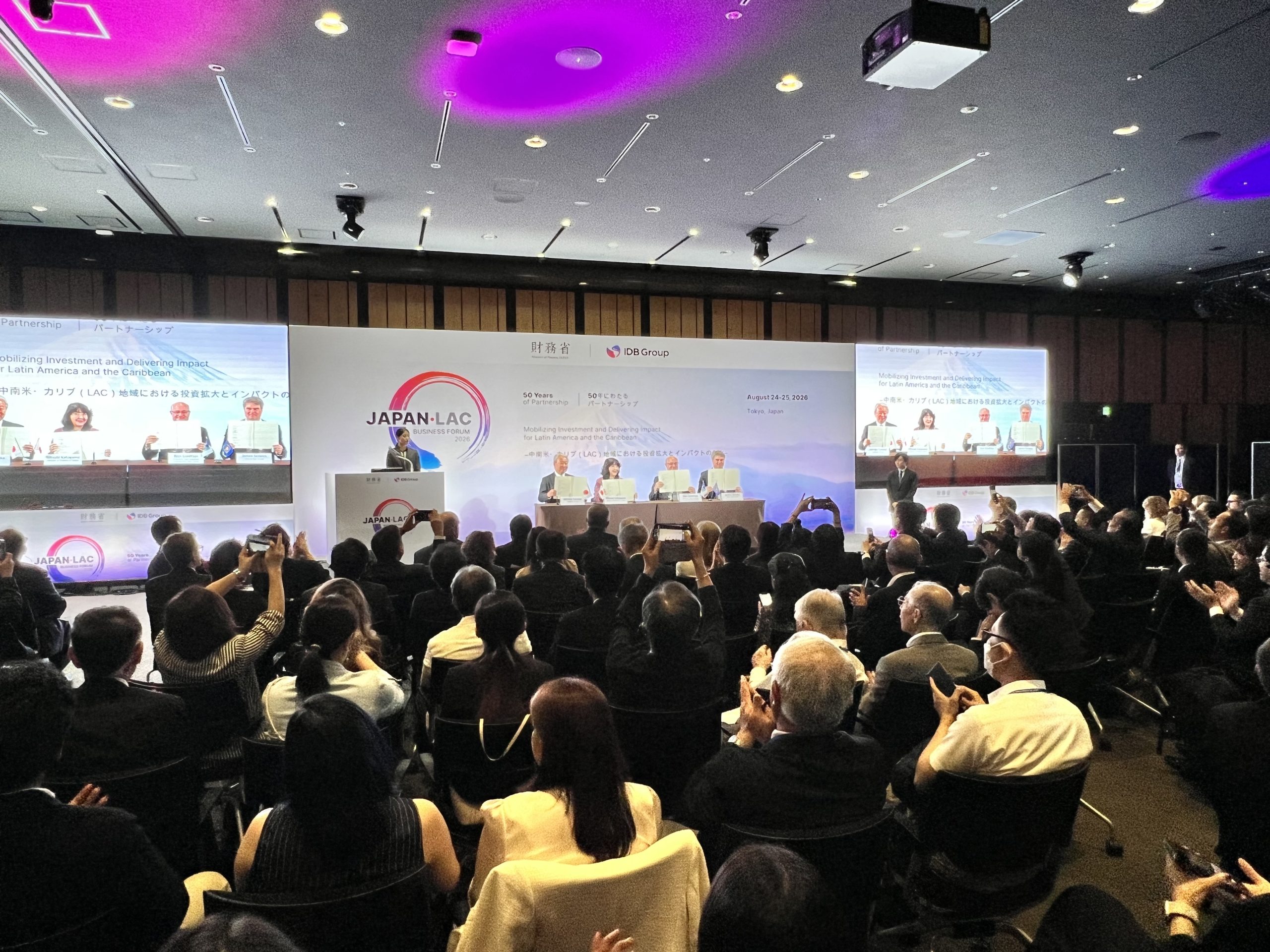
Co-hosted by the IDB Group and Japan’s Ministry of Finance to mark the 50th anniversary of Japan becoming the bank’s first non-regional member, the forum drew more than 1,000 registered participants and over 400 companies from 24 countries — the largest event the IDB has ever organized in Japan.
“Fifty years later, Japan remains one of the most important partners of Latin America and the Caribbean,” IDB Group President Ilan Goldfajn said in his opening remarks, noting that bilateral trade has grown ninefold over the half century, from $7 billion in 1976 to $65 billion last year. “The opportunities are growing, and the moment to act is now.”
A $30 million bet on minerals — and a $14 billion pipeline
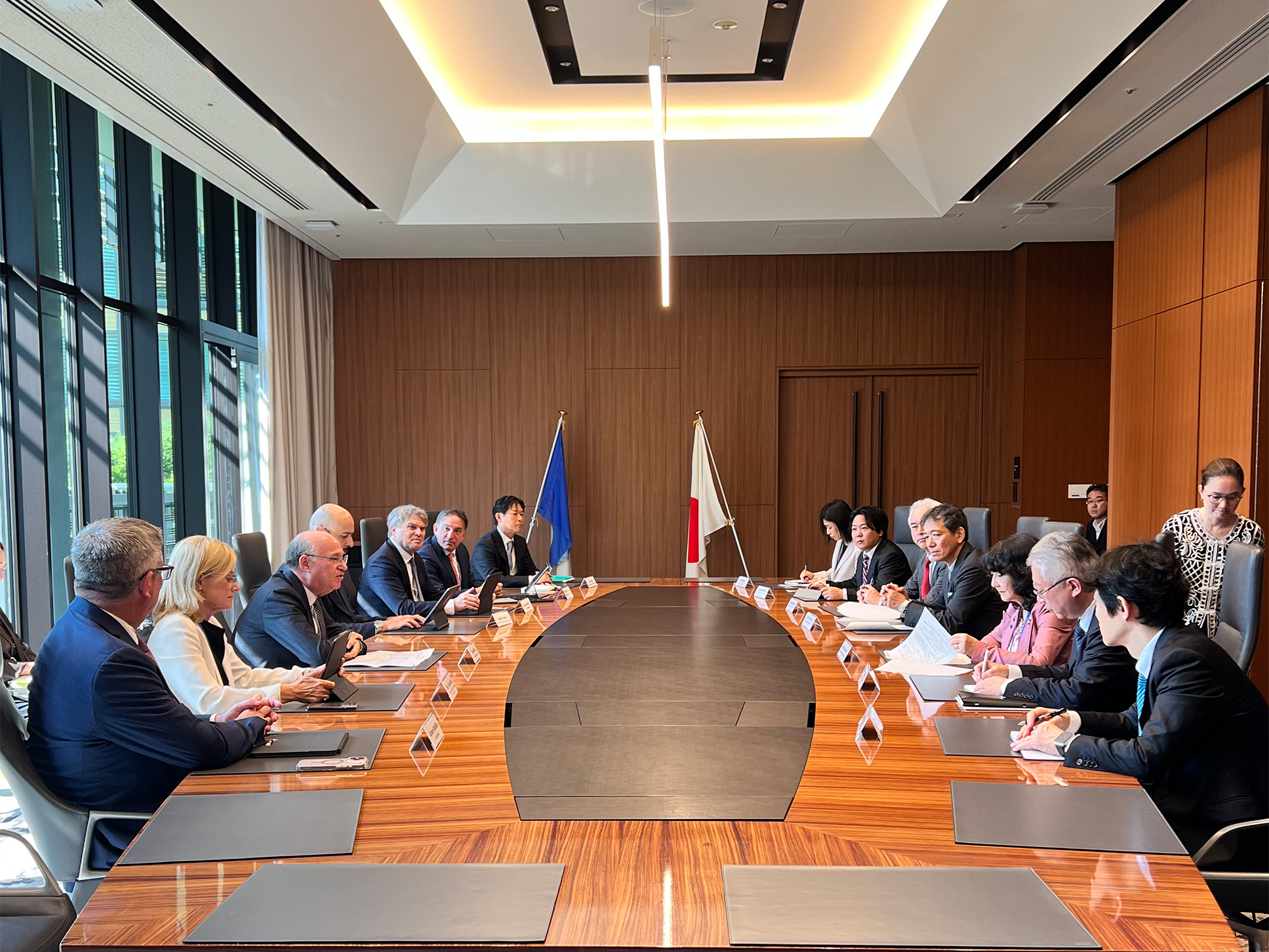
The forum’s centerpiece was a cooperation package anchored in resource security. Finance Minister Satsuki Katayama announced an additional $10 million contribution to the Japan Resilience Initiative (JRI), a new grant facility within the IDB’s Japan Special Fund. Combined with $20 million already committed, the initiative now totals $30 million to support project preparation in critical minerals, quality infrastructure, agriculture, health, disaster resilience and the silver economy.
“I hope that this forum serves as a catalyst for greater engagement between Japanese businesses and Latin America and the Caribbean,” Katayama told participants.
The package also expands the Japan International Cooperation Agency’s (JICA) financing frameworks with the IDB to $6.5 billion: the CORE co-financing facility grows from $4 billion to $5 billion through 2031 — adding critical minerals and agriculture as new priority areas — while the TADAC trust fund with IDB Invest rises from $1 billion to $1.5 billion. With co-financing, the IDB expects the package to generate roughly $14 billion in total financing for the region.
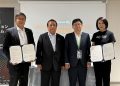
Two further agreements signal how Japan’s financial architecture is adapting. Nippon Export and Investment Insurance (NEXI) will insure an IDB sovereign-guaranteed loan to the Brazilian state of Espírito Santo — its first direct insurance transaction with a multilateral development bank — freeing IDB capital for new lending. The Japan Bank for International Cooperation (JBIC) renewed a co-financing agreement covering critical minerals, energy transition and resilient supply chains.
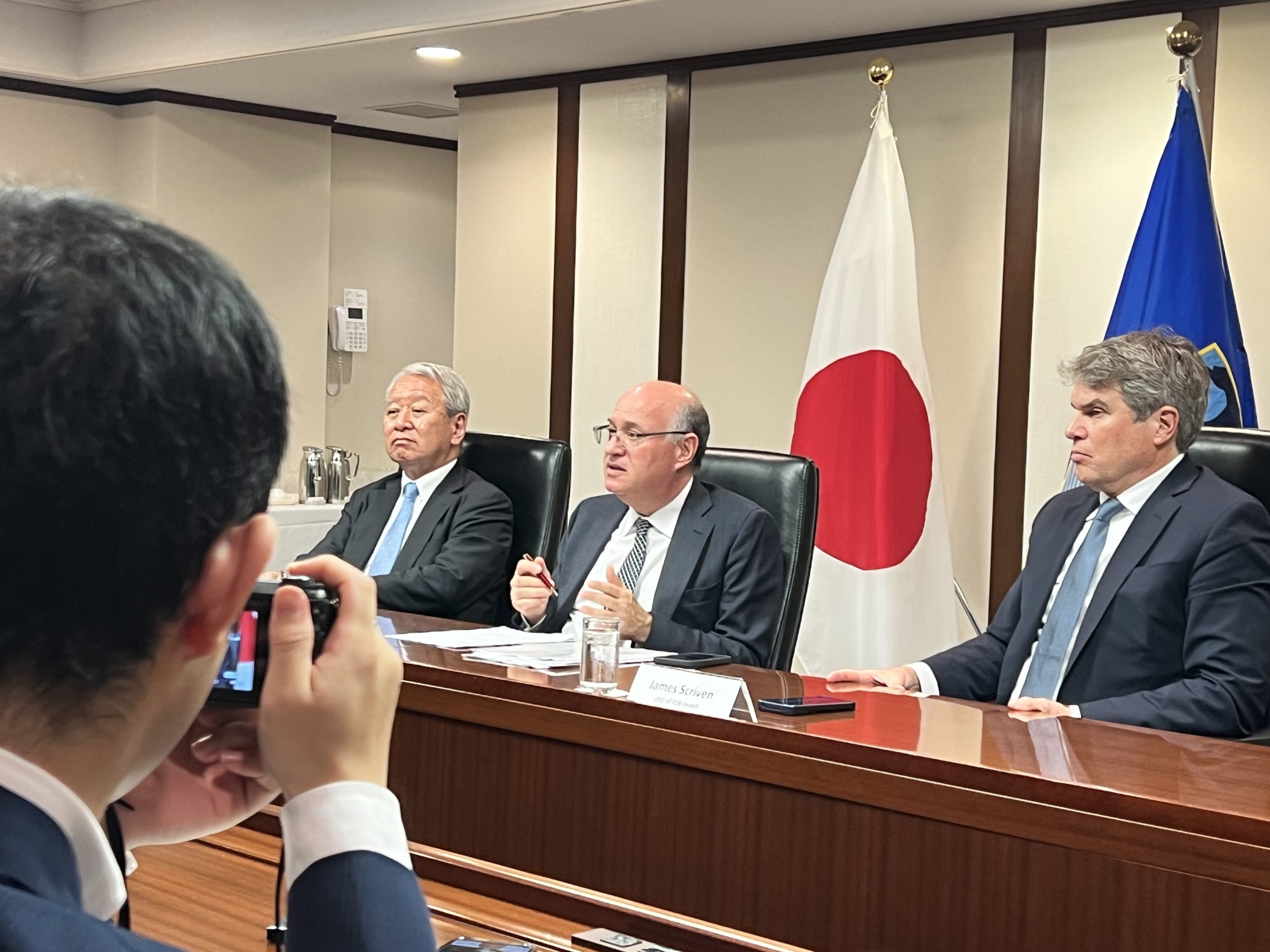
“Through CORE, critical minerals have now become eligible for financing,” JICA President Akihiko Tanaka said at a joint press conference with Goldfajn. “In today’s world, that carries great significance for Japan’s economic security.”
“Investment is not only financing”
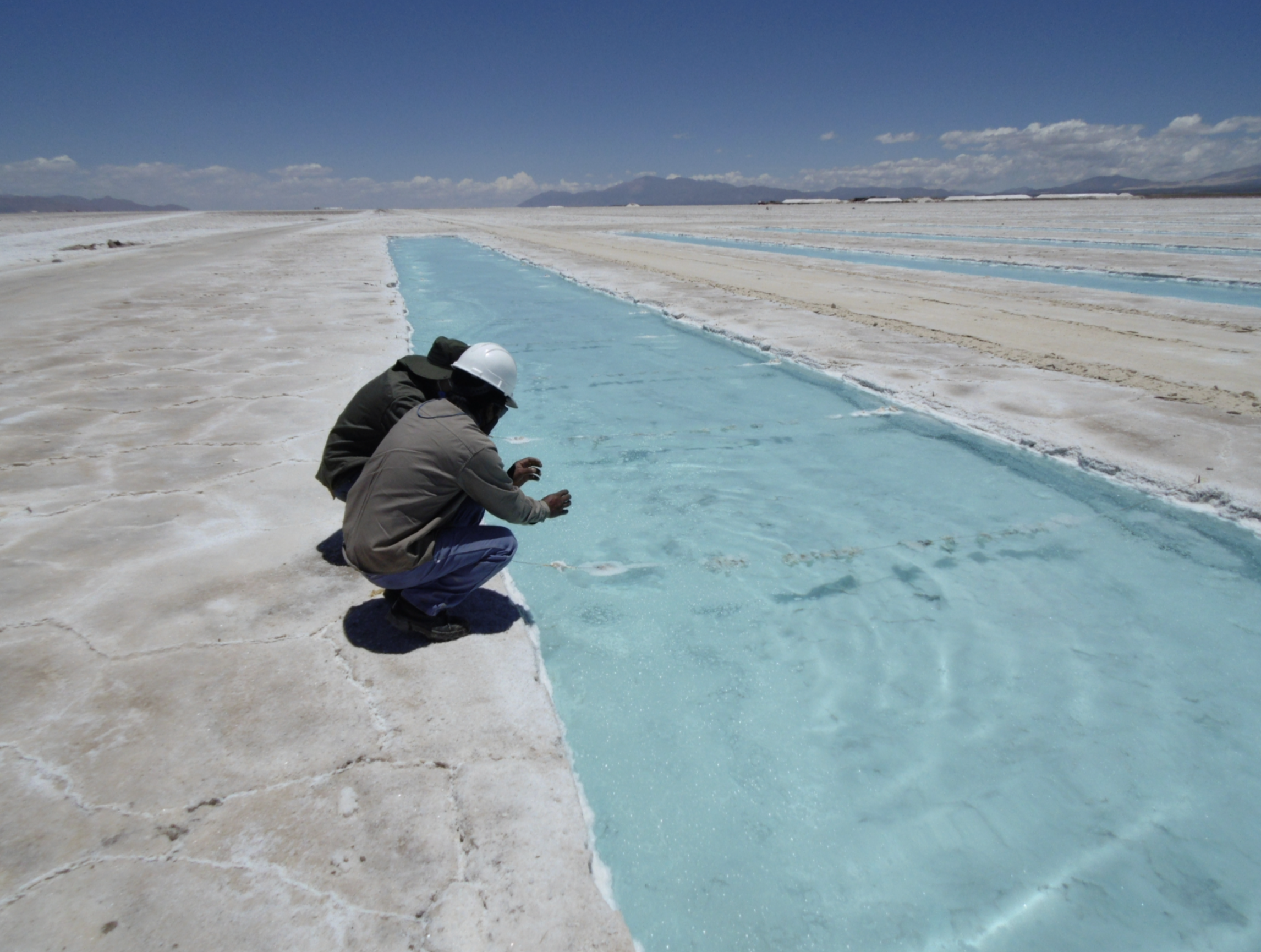
Why Latin America? The region holds 30 to 40 percent of the world’s critical mineral reserves, Goldfajn said in an interview, and already exports $180 billion in minerals annually. “Japan needs to diversify its sources of critical minerals,” he said. “Latin America and the Caribbean are the place to supply these minerals in a secure manner.”
The template already exists. At the Rincón lithium project in Salta, Argentina, the IDB provided $100 million and JICA nearly $200 million in financing; at full production it will be Argentina’s largest lithium operation, feeding the global EV supply chain. In Brazil, the IDB is helping the government map where rare earths lie so they can be extracted.
What Japan must bring, Goldfajn said, is technology — such as advanced separation and smelting know-how — plus long-term contracts and attractive prices. And presence: “Investment is not only the financing. It is going there, hiring people, building the machines, building the companies.”
James Scriven, CEO of IDB Invest, added that mining companies approach the bank “not only for money” but for guidance on environmental and community issues, such as water use in lithium extraction. The IDB’s critical minerals portfolio already exceeds $6 billion.
From speed dating to supply chains
The forum was designed to convert momentum into deals. A business matchmaking program generated more than 600 one-on-one meetings between Japanese and Latin American companies — “speed dating,” as Goldfajn joked, with each meeting raising the probability of an actual deal by more than 10 percent, he told Nippon TV. The IDB’s “BID for the Americas” program presented upcoming procurement tenders directly to Japanese firms.
Japan’s powerful business lobby Keidanren’s voice reinforced the business case. Masayoshi Fujimoto, chairman of Sojitz Corporation and chair of the federation’s Committee on Latin America and the Caribbean, noted that the region’s 660 million people and roughly $7 trillion GDP rival ASEAN in scale. Fresh from leading a Keidanren mission to Panama, Guatemala and Ecuador, and with Japan-Mercosur EPA negotiations set to begin, he said Japan-LAC economic ties are “entering a new stage.”
Goldfajn closed with a line that doubled as a thesis for the gathering: “If the past 50 years were about building a strong partnership between the IDB and Japan, the next 50 will be about expanding it.”
Writing & Editing: Toshi Maeda | JStories
Top Page Photo: IDB Group