

• Login
Upgrade
JStories
  • 日本語
  • 繁体字中文
No Result
View All Result
  • Home
  • AI
    • Artificial Intelligence
    • Robotics
    • Mobility
    • FinTech
    • Quantum
  • Earth
    • AgriTech
    • Green Innovation
    • Disaster Tech
    • SpaceTech
    • Materials
  • Life Sciences
    • BioTech
    • HealthTech
    • MedTech
    • AgeTech
  • Society
    • Media
    • EdTech
    • Diversity
    • FemTech
    • Social Impact
  • Lifestyle
    • FoodTech
    • Beauty & Fashion
    • Wellbeing
    • Arts & Music
    • Anime
  • Travel
    • Adventure Travel
    • Luxury Travel
    • Wellness & Medical Tourism
    • Culture
  • Video
  • Deals
    • Venture Capital
    • M&A
    • Events
    • Pitch
    • Growth Support
    • Legal & IP
  • Interview
  • Opinion
  • Home
  • AI
    • Artificial Intelligence
    • Robotics
    • Mobility
    • FinTech
    • Quantum
  • Earth
    • AgriTech
    • Green Innovation
    • Disaster Tech
    • SpaceTech
    • Materials
  • Life Sciences
    • BioTech
    • HealthTech
    • MedTech
    • AgeTech
  • Society
    • Media
    • EdTech
    • Diversity
    • FemTech
    • Social Impact
  • Lifestyle
    • FoodTech
    • Beauty & Fashion
    • Wellbeing
    • Arts & Music
    • Anime
  • Travel
    • Adventure Travel
    • Luxury Travel
    • Wellness & Medical Tourism
    • Culture
  • Video
  • Deals
    • Venture Capital
    • M&A
    • Events
    • Pitch
    • Growth Support
    • Legal & IP
  • Interview
  • Opinion
en English ja 日本語 zh 繁体字中文
JStories
No Result
View All Result

Japan’s regional spinouts need executives, not just inventions

Regional universities have the inventions. What they lack is the executive talent to turn them into companies.

Alexander Farrell by Alexander Farrell
07/29/2026
in Growth Support, Deals, Events, FinTech, News
0
Home Deals Growth Support
Share on FacebookShare on Twitter

Japan enjoys a wealth of promising university research, but what is often lacking, especially outside Tokyo, is the management talent to commercialize it.

That matters because deep tech takes time and money to develop. It can also be hard to explain to nonexperts. Startups built around advanced research in materials, energy, medicine or robotics need more than lab results. They need effective communicators and administrators who can attract patient investors and credible customers.
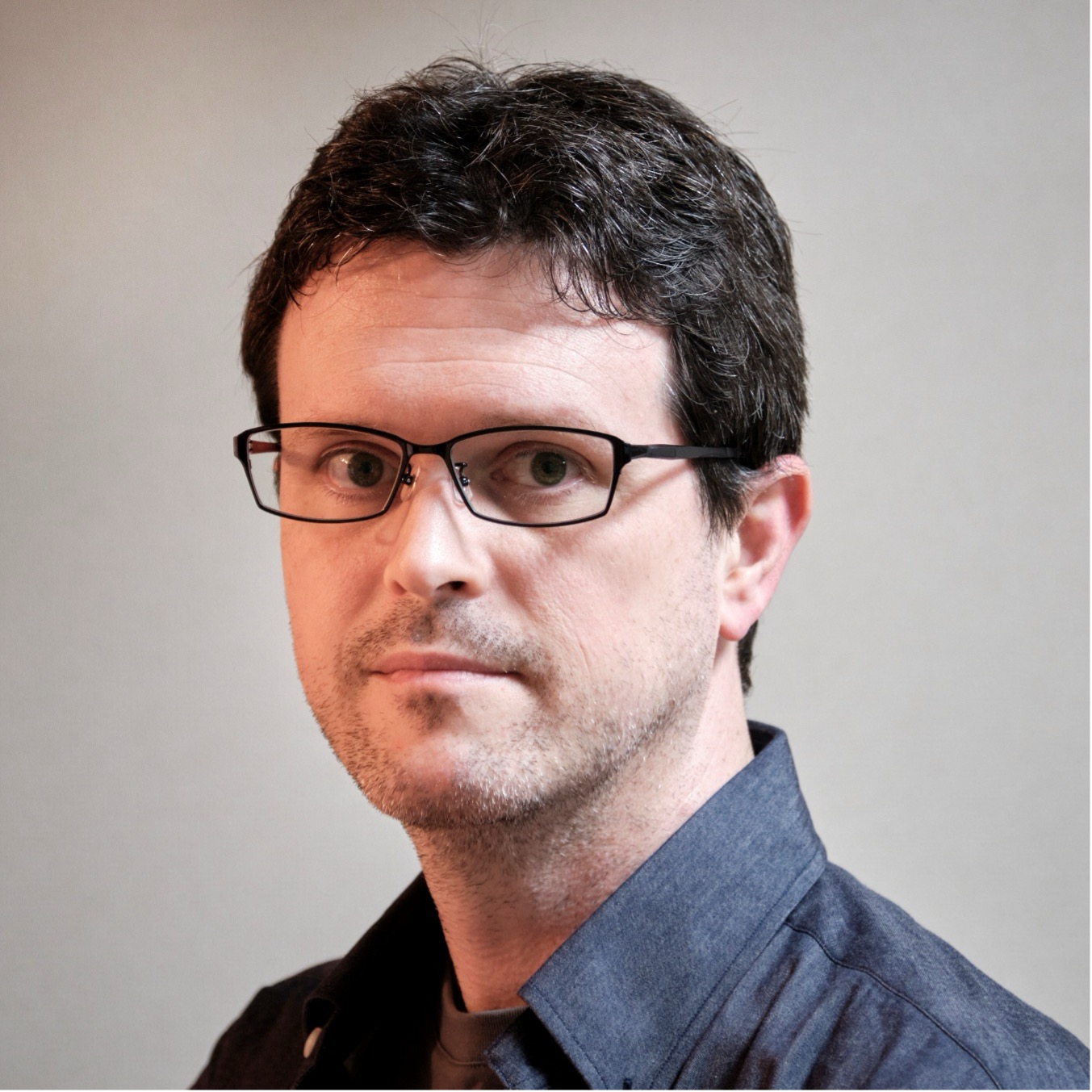
Alexander Farrell is a senior researcher at Yuri Group, a business intelligence firm whose clients include international institutional investors, business organizations and government bodies. A native of Austin, Texas, he has been based in Kyoto since 2003. He has extensive experience in media research and localization and has translated for Nikkei Business Publications and for Japanese news outlets such as The Asahi Shimbun and The Chemical Daily.

Enter the CxO, a catchall term for CEO, CFO, CTO, etc. In a young company, these are not corporate ornaments. They decide how to raise money, hire staff, find customers, protect intellectual property and build around complex technology.

Tokyo naturally attracts capital, investors, large companies and experienced startup workers. Many graduates from regional universities who might become startup executives relocate there to launch careers.

As for mid-career professionals supporting families, it is hard to justify a job at a managerial position at a university spinout, as it is often a nonpermanent role with a fixed-term contract.

A robot demonstration at SusHi Tech 2026, Tokyo’s annual technology and startup showcase.  Photo by Alexander Farrell (Same below)

Culture does not help. A career at a well-known company still carries weight in Japan, and changing jobs can be a delicate task. Some professionals are interested in startups but don’t want their employers to know. That explains why certain recruiting networks stay discreet. It also shows how far the labor market still has to move.

With capable executives in short supply, professors are often the only ones available to commercialize their research. Some do it well. Many are understandably better suited to research. The result: Technologies with export potential can remain stuck in laboratories, grant programs or small domestic markets.

Change is afoot. Japan’s labor shortage is boosting job mobility. However, cash-strapped startups may struggle to recruit mid-career jobseekers.

Kyoto Tower stands illuminated above evening traffic in central Kyoto.

Kyoto’s response is worth watching. The city created the Kyoto Next CxO Community in 2025 to find and train executive candidates and connect them with university researchers and startups. As of late May, there were 106 regular members and 65 youth members. Its activities include researcher matching, entrepreneurship programs, study sessions and networking events.

The model is practical because deep-tech recruitment is not a simple job posting. Aspiring CxOs need patience, as they must understand the researcher’s ambitions and study the technology seriously before launching a company. Non-Japanese-speaking executives can also help, even if language limits the pool of researchers for potential collaboration.

Where should interested readers start? For those drawn to the regional university challenge, Kyoto University Innovation Capital’s EIR-iCAP program employs entrepreneurs in residence who search for university research seeds, build relationships with researchers and prepare to found spinouts. The University of Tokyo’s DeepTech Dive offers another route: a free talent-matching platform where people can connect with university-linked technology startups for full-time jobs, side roles, internships or executive opportunities.
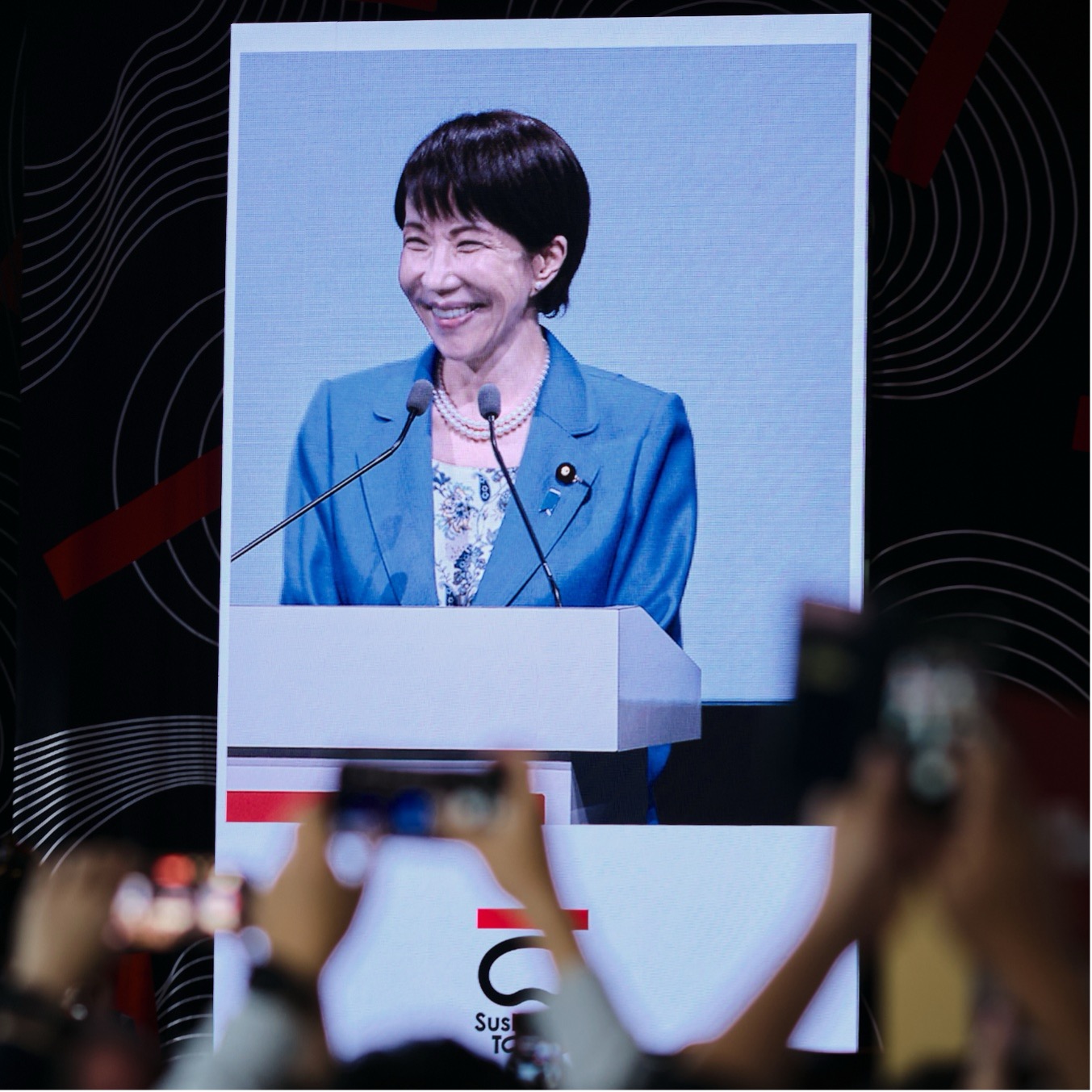
Prime Minister Sanae Takaichi speaking at SusHi Tech 2026.

If Japan wants to build a competitive startup ecosystem, it is essential to incentivize executive talent to help spinouts commercialize university research and scale globally. The Kyoto Next CxO Community could provide a model for cross-institutional collaboration that addresses this recruiting challenge.


This is an opinion article. The views expressed are the author’s own and do not necessarily reflect those of JStories.


Tags: Opinion
Previous Post

Weekly Brief #51

Next Post

As AI inflates gadget prices, Japan’s Rapidus races to add advanced chip supply

Alexander Farrell

Alexander Farrell

Related Posts

Japan looks to Latin America for the minerals powering AI — and the IDB offers to be the bridge
Deals

Japan looks to Latin America for the minerals powering AI — and the IDB offers to be the bridge

by Toshi Maeda
08/29/2026
What matters is not what you build, but who you build it with
Events

What matters is not what you build, but who you build it with

by Ikeda Masaru
08/28/2026
Taiwan’s startups get a Kansai front door — and it swings both ways
Events

Taiwan’s startups get a Kansai front door — and it swings both ways

by Toshi Maeda
08/27/2026
台湾スタートアップ 46社中30社超が、すでに日本に進出 〜 2026 日台イノベーション・サミット
Deals

The introductions are over: Taiwan’s startups are already in Japan

by Ikeda Masaru
08/26/2026
地政学リスクの時代、日・台・米「3極連携」を東京で議論へ ── 「2026日台イノベーションサミット」来週開幕
Events

In an era of geopolitical risk, Japan, Taiwan and the U.S. to explore deeper tech ties at Tokyo innovation summit

by Toshi Maeda
08/14/2026
Next Post
As AI inflates gadget prices, Japan’s Rapidus races to add advanced chip supply

As AI inflates gadget prices, Japan's Rapidus races to add advanced chip supply

Leave a Reply Cancel reply

Your email address will not be published. Required fields are marked *

Trending

Greening the desert with trash

by Yui Sawada
03/23/2023
0

KYOTO (JStories) - The sight of local Niger women throwing kitchen waste out into the African desert inspired a project...

Japan looks to Latin America for the minerals powering AI — and the IDB offers to be the bridge

Japan looks to Latin America for the minerals powering AI — and the IDB offers to be the bridge

by Toshi Maeda
08/29/2026
0

TOKYO — Japan's search for stable supplies of lithium, copper and rare earths — the raw materials behind electric vehicles,...

What matters is not what you build, but who you build it with

What matters is not what you build, but who you build it with

by Ikeda Masaru
08/28/2026
0

Tokyo  - The event that once introduced Taiwanese startups to Japan has changed its role over five years. The biggest...

Eco-friendly next-generation laundromat that doesn’t use detergent

by Riku Kobayashi
11/10/2023
0

J-STORIES - Laundry drainage is said to account for 10% of all domestic wastewater. A Japanese startup has developed a...

Taiwan’s startups get a Kansai front door — and it swings both ways

Taiwan’s startups get a Kansai front door — and it swings both ways

by Toshi Maeda
08/27/2026
0

OSAKA — Taiwanese startups have visited Kansai for years. What they have not had is a door with a handle...

JStories

©Articles and photos published on JStories are protected by Japanese copyright law and international treaties. They cannot be reproduced without the permission of the copyright holders

Explore JStories

  • Home
  • About JStories
  • JStories Newsletter Sign-Up
  • Company
  • Team
  • Contact
  • Privacy Policy
  • Partner Press Releases

Follow Us

Welcome Back!

Login to your account below

Forgotten Password?

Retrieve your password

Please enter your username or email address to reset your password.

Log In
No Result
View All Result
  • TOP STORIES
  • AI
    • Artificial Intelligence
    • Robotics
    • Mobility
    • FinTech
    • Quantum
  • Earth
    • AgriTech
    • Green Innovation
    • Disaster Tech
    • SpaceTech
    • Materials
  • Life Sciences
    • BioTech
    • HealthTech
    • MedTech
    • AgeTech
  • Society
    • Media
    • EdTech
    • Diversity
    • FemTech
    • Social Impact
  • Lifestyle
    • FoodTech
    • Beauty & Fashion
    • Wellbeing
    • Arts & Music
    • Anime
  • Travel
    • Adventure Travel
    • Luxury Travel
    • Wellness & Medical Tourism
    • Culture
  • Video
  • Deals
    • Venture Capital
    • M&A
    • Events
    • Growth Support
    • Legal & IP
  • Interview
  • Opinion

©Articles and photos published on JStories are protected by Japanese copyright law and international treaties. They cannot be reproduced without the permission of the copyright holders

Not enough quota to unlock this post
Unlock left : 0
Are you sure want to cancel subscription?