



• Login
Upgrade
JStories
  • 日本語
  • 中文 (中国)
No Result
View All Result
  • Home
  • AI
    • Artificial Intelligence
    • Robotics
    • Mobility
    • FinTech
    • Quantum
  • Earth
    • AgriTech
    • Green Innovation
    • Disaster Tech
    • SpaceTech
    • Materials
  • Life Sciences
    • BioTech
    • HealthTech
    • MedTech
    • AgeTech
  • Society
    • Media
    • EdTech
    • Diversity
    • FemTech
    • Social Impact
  • Lifestyle
    • FoodTech
    • Beauty & Fashion
    • Wellbeing
    • Arts & Music
    • Anime
  • Travel
    • Adventure Travel
    • Luxury Travel
    • Wellness & Medical Tourism
    • Culture
  • Video
  • Deals
    • Venture Capital
    • M&A
    • Events
    • Pitch
    • Growth Support
    • Legal & IP
  • Interview
  • Opinion
  • Home
  • AI
    • Artificial Intelligence
    • Robotics
    • Mobility
    • FinTech
    • Quantum
  • Earth
    • AgriTech
    • Green Innovation
    • Disaster Tech
    • SpaceTech
    • Materials
  • Life Sciences
    • BioTech
    • HealthTech
    • MedTech
    • AgeTech
  • Society
    • Media
    • EdTech
    • Diversity
    • FemTech
    • Social Impact
  • Lifestyle
    • FoodTech
    • Beauty & Fashion
    • Wellbeing
    • Arts & Music
    • Anime
  • Travel
    • Adventure Travel
    • Luxury Travel
    • Wellness & Medical Tourism
    • Culture
  • Video
  • Deals
    • Venture Capital
    • M&A
    • Events
    • Pitch
    • Growth Support
    • Legal & IP
  • Interview
  • Opinion
en English ja 日本語 zh 中文 (中国)
JStories
No Result
View All Result

Using ‘avatar’ cells to test cancer drugs and come up with personalized treatments

Yoshiko Ohira by Yoshiko Ohira
07/26/2024
in AI, Artificial Intelligence, BioTech, Deals, Events, HealthTech, Life Sciences, MedTech, News
0
Home AI
Share on FacebookShare on Twitter

J-STORIES – When treating cancer, it is vital to analyze the characteristics of a patient’s tumor to understand how drugs will affect it. This process, which is often a race against time, is now being done using three-dimensional cancer cell models known as “avatars.” It is hoped that this technique will enable doctors to recommend personalized treatments with precision and speed.

The technology is being developed by Taiwanese startup CancerFree Biotech, which this May took part in the SusHi Tech Tokyo Global Startup Program, one of Asia’s largest startup events. The company was selected as a finalist from among 507 others who took part in a pitch contest at the event organized by the Tokyo Metropolitan Government. It currently provides its personalized cancer drug testing technology in Taiwan, Japan, China and Vietnam.
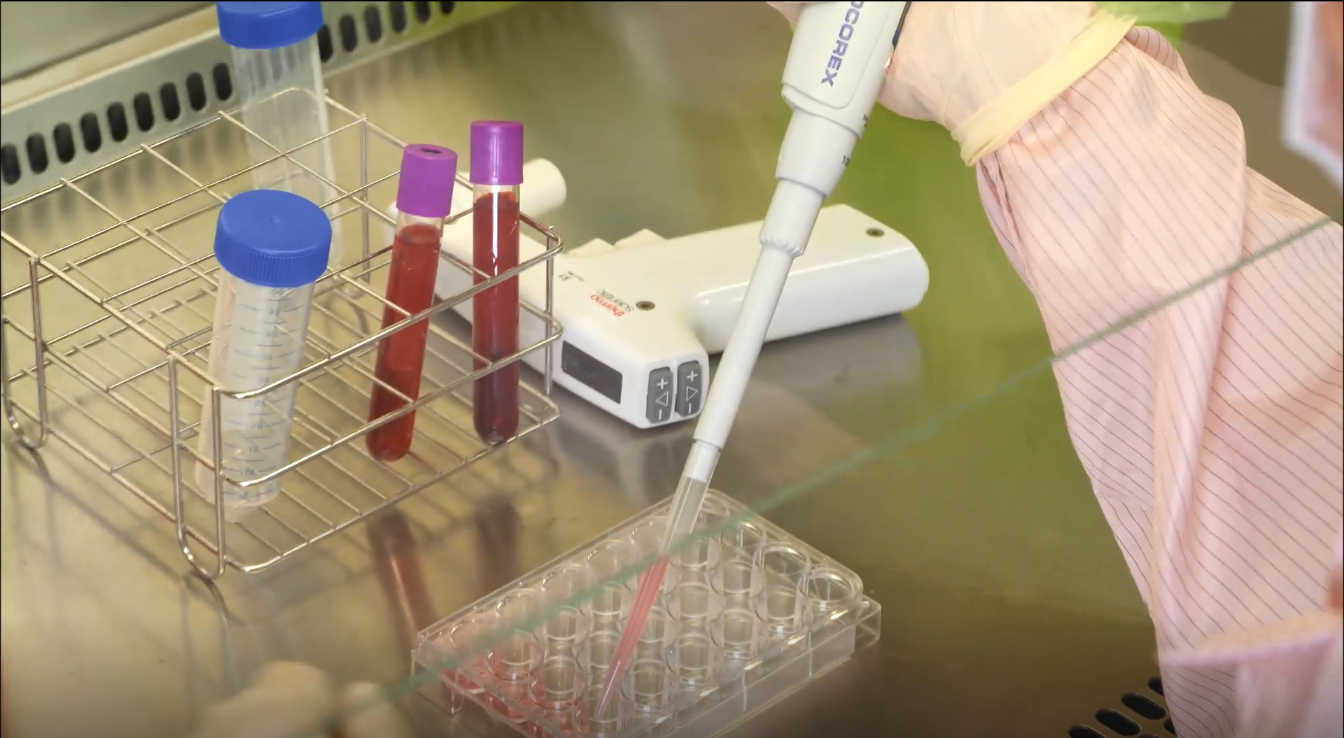
Just 20 milliliters of a patient’s blood is needed to perform the test.      Source: CancerFree Biotech

Up to now, cancer testing has mainly used two-dimensional cultures of cancer cells. While that method is cost-effective, the cultures are very different to the three-dimensional environment of tumors in the body, and cannot adequately reflect the complexity of tumor cells or their interaction with other tissues.

To overcome these limits, researchers are now working on “organoids,” three-dimensional cell systems and organs derived from a patient’s own tumor cells. The new technique allows the characteristics and variety of cancer cells to be more accurately reproduced, and for more cells to be produced more quickly and cheaply than was previously possible.
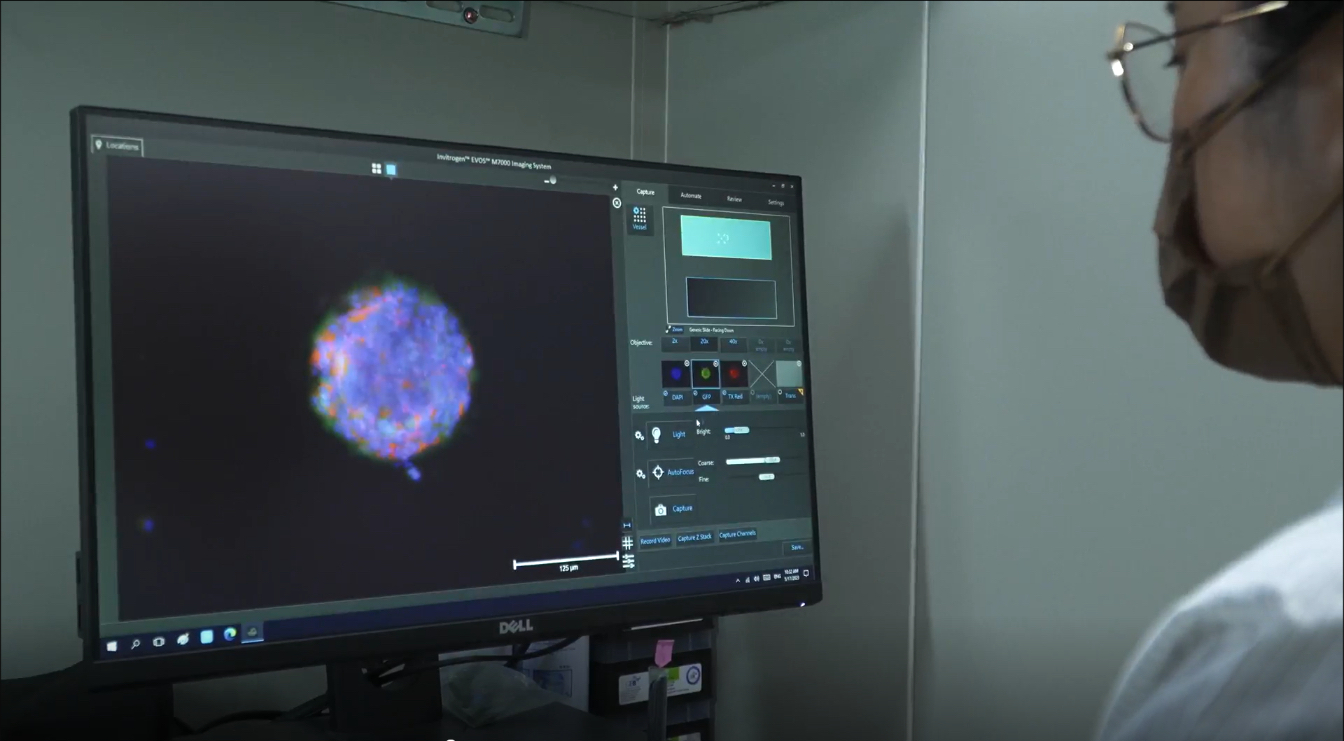
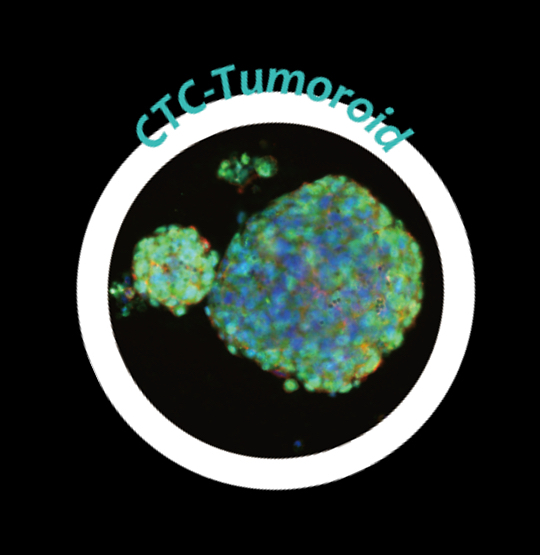
Viewing the organoid through a microscope allows the characteristics of the cancer cells to be analyzed.      
An organoid made of CTC (Circulating Tumor Cells) seen through a microscope.      

The three-dimensional organoid-culture platform developed by CancerFree Biotech is called Ex-Vivo Avatar (EVA) and is a system for three-dimensional culture of CTCs (Circulating Tumor Cells) that have entered blood vessels and are flowing through the bloodstream. It uses AI image recognition to test for the cells’ sensitivity to various drugs.
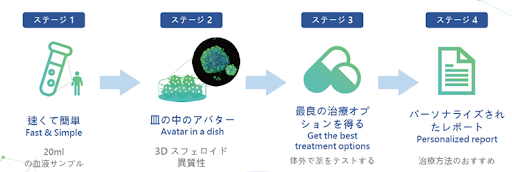
The four stages from blood sample to providing a personalized cancer drug report.    

Just 20 milliliters of the patient’s blood is enough to perform the test. As well as reducing side effects from drugs whose efficacy is uncertain, the test reduces the time needed to find the right treatment for the patient. Personalized treatment options can be offered as soon as three weeks after the blood test. The company’s CEO, Po Chen, told J-Stories that the test is effective for cancers that have reached Stage 2 and beyond, particularly solid tumors.

“We have confirmed efficacy in the treatment of around 75% of patients who used the test technology,” he said.
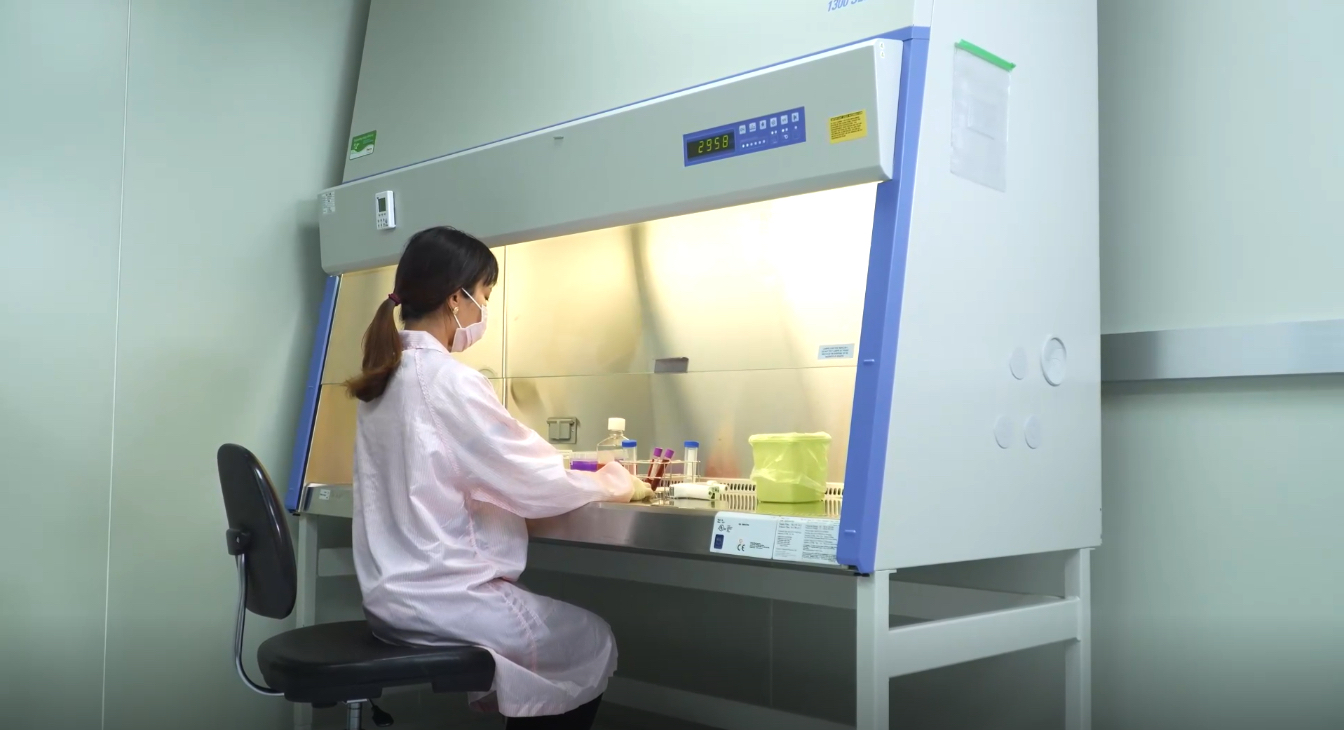
A researcher isolates Circulating Tumor Cells (CTCs) from blood samples for analysis.     

When his father was being treated for cancer, Chen learned about the innovative work on personalized cancer treatment underway at Taipei Medical University. It occurred to him that more people could be saved if cancer treatment was more personalized. In 2018, he founded CancerFree Biotech and started work with the university on developing the Ex Vivo Avatar platform.

Chen has been looking at developing a business in Japan, which is geographically and culturally close to Taiwan, for some time. He said that work on partnership agreements is already underway and that he hopes to establish a Japanese research base before the end of this year.
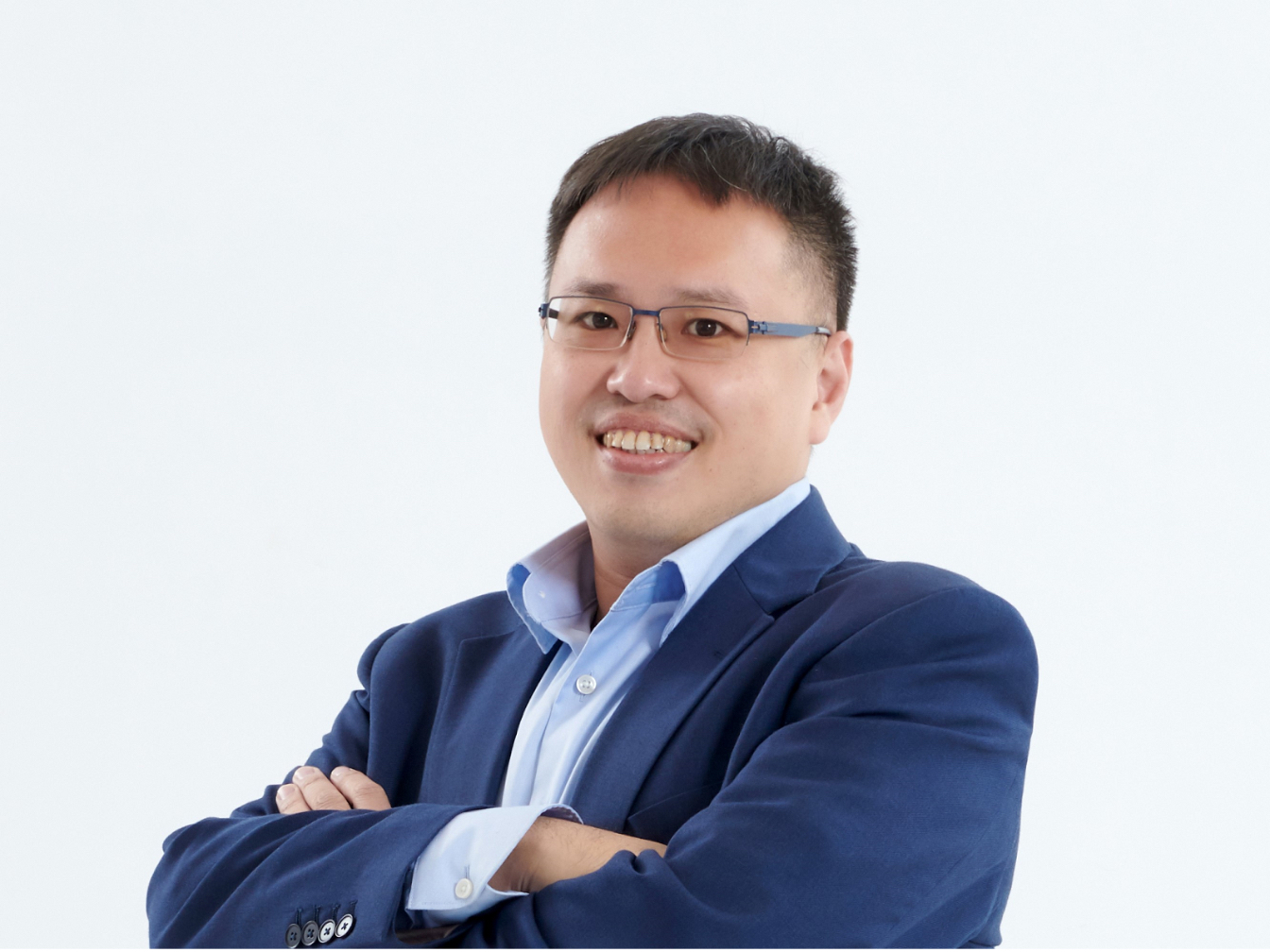
CancerFree Biotech CEO Po Chen.      

For becoming a finalist in the pitch competition at the SusHi Tech Tokyo Global Startup Program, CancerFree Biotech won a year’s usage of office space. It plans to visit Osaka and Okinawa, as well as Tokyo, before deciding where to set up.
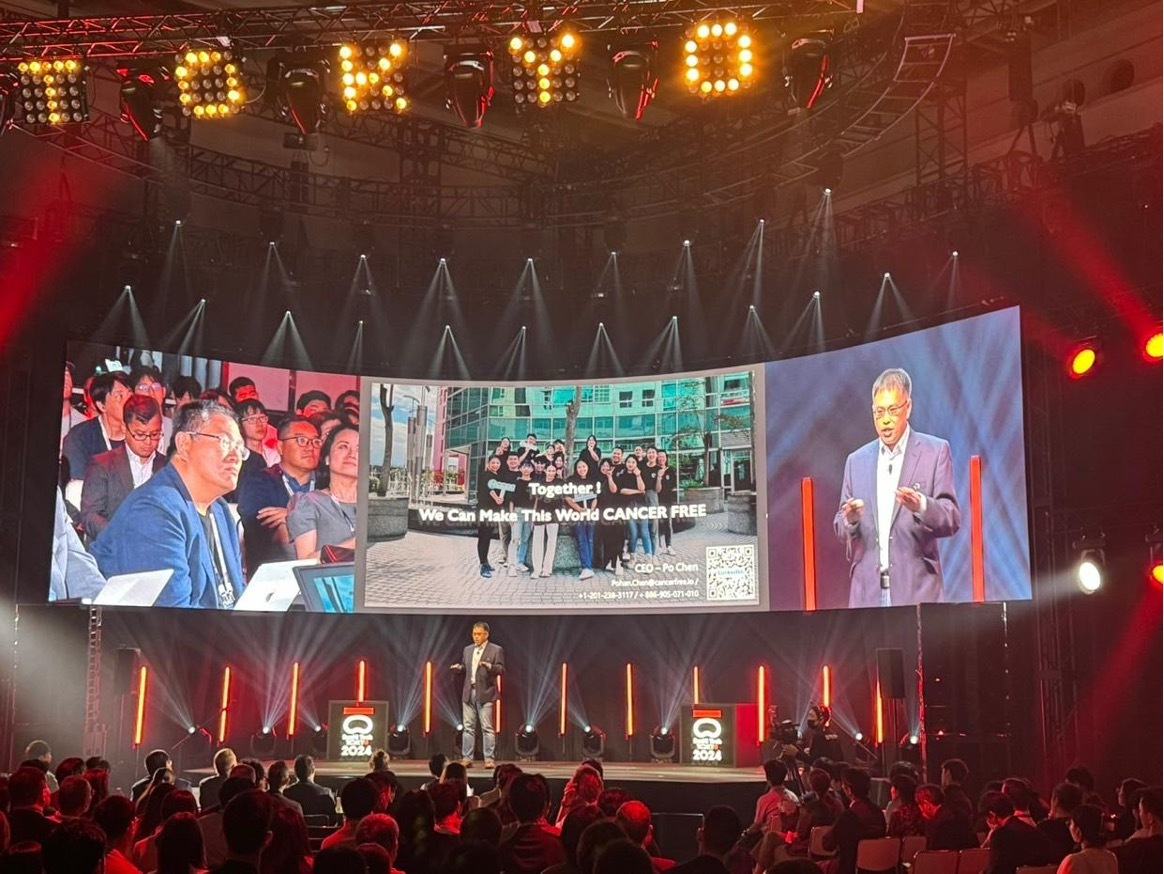
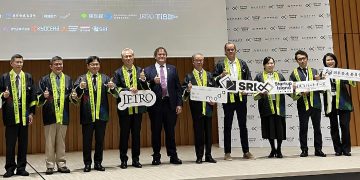
CancerFree Biotech CEO Po Chen taking part in the SusHi Tech Tokyo Global Startup Program pitch competition this May.     Source: Startup Island Taiwan
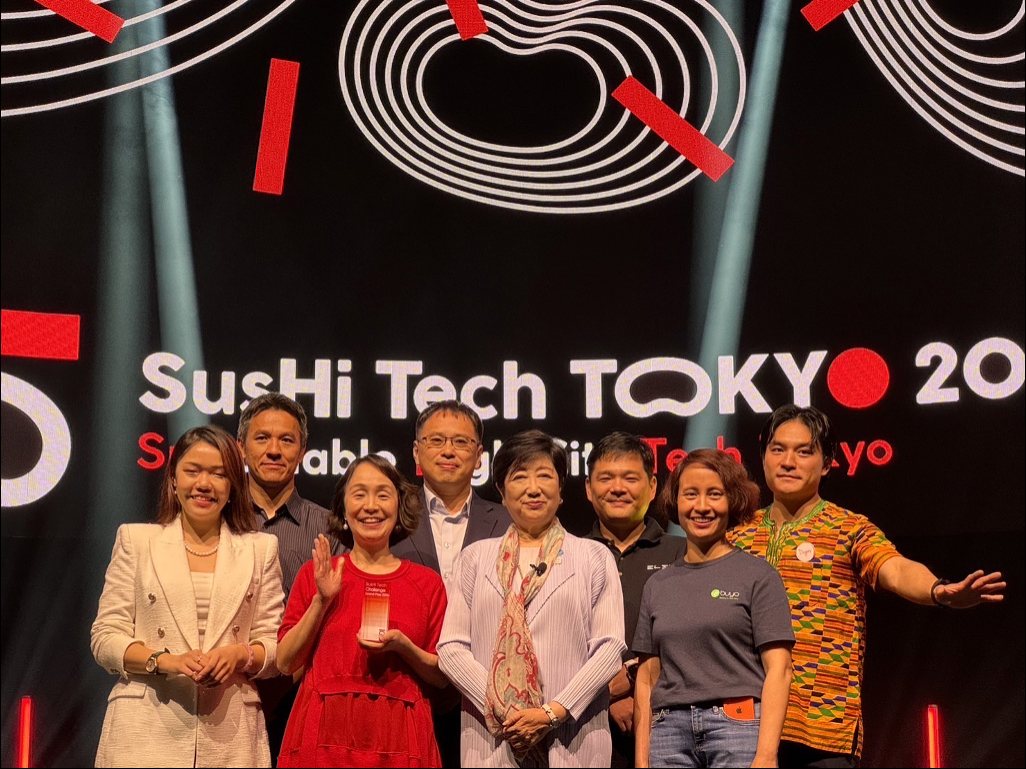
CancerFree Biotech CEO Po Chen (fourth from left) taking part in the SusHi Tech Tokyo Global Startup Program pitch competition. Governor of Tokyo Yuriko Koike is to the right of him.      Source: Startup Island Taiwan

“The spread of this technology to even more medical industries should help with the development of not just cellular therapies for cancer, but also cancer vaccines and new drugs,” said Chen.

Translated by Tony McNicol

Top photo by CancerFree Biotech

For inquiries about this article, please contact jstories@pacificbridge.jp


Tags: AI Image RecognitionBioTech TaiwanCancerFree BiotechCirculating Tumor Cells (CTC)Ex-Vivo AvatarOncologyOrganoidsPersonalized MedicinePrecision MedicineSusHI Tech Tokyo
Previous Post

A 3D bioprinter that can create transplantable organs from patients’ own cells

Next Post

Tapping the diversity and expertise of refugees to create innovation

Yoshiko Ohira

Yoshiko Ohira

Related Posts

BioTech

Japanese startup Neron develops gut bacteria ‘cocktail’ to ease stress and support mental health

by Kei Mizuno
05/11/2026
AQUIVIO
Pitch

AQUIVIO

by Jstories
05/01/2026
SusHi Tech Tokyo 2026 Opens at Record Scale in Its Fourth Year 
Events

SusHi Tech Tokyo 2026 Opens at Record Scale in Its Fourth Year 

by Randy Wagenheim
04/28/2026
BioTech

Evolutionary artificial protein slated for market debut as early as June 2026

by Yoshiko Ohira
04/17/2026
Ai Heart Japan
Pitch

Ai Heart Japan

by Jstories
04/01/2026
Next Post

Metaverse classroom eases school refusers back into education

Leave a Reply Cancel reply

Your email address will not be published. Required fields are marked *

Trending

Greening the desert with trash

by Yui Sawada
03/23/2023
0

J-STORIES - The sight of local Niger women throwing kitchen waste out into the African desert inspired a project that...

Evolutionary artificial protein slated for market debut as early as June 2026

by Yoshiko Ohira
04/17/2026
0

JStories — Severe and hard-to-heal wounds — such as those caused by burns, injuries, pressure ulcers, skin cancer surgery, and...

INTERVIEW | How Japanese musician Grover turned his passion of ‘sound’ into a health-tech startup

by Toshi Maeda
05/02/2025
0

JStories ー For over two decades, Yoshikazu Grover — better known simply as Grover — has been a familiar voice...

World-first “anime character-based therapy” trial to test effectiveness in Japanese young adults

by Lucas Maltzman
01/30/2026
0

JStories – Is sharing personal problems with a virtual anime character easier than face-to-face? In the world’s first clinical trial,...

The world’s first drug that helps patients ‘grow new teeth’

by Ruiko Kokubun
09/22/2023
0

J-STORIES - The conventional way to help people who have lost teeth due to tooth decay or aging has been...

JStories

©Articles and photos published on JStories are protected by Japanese copyright law and international treaties. They cannot be reproduced without the permission of the copyright holders

Explore JStories

  • Home
  • About JStories
  • Company
  • Team
  • Contact
  • Privacy Policy
  • Partner Press Releases

Follow Us

Welcome Back!

Login to your account below

Forgotten Password?

Retrieve your password

Please enter your username or email address to reset your password.

Log In
No Result
View All Result
  • Home
  • AI
    • Artificial Intelligence
    • Robotics
    • Mobility
    • FinTech
    • Quantum
  • Earth
    • AgriTech
    • Green Innovation
    • Disaster Tech
    • SpaceTech
    • Materials
  • Life Sciences
    • BioTech
    • HealthTech
    • MedTech
    • AgeTech
  • Society
    • Media
    • EdTech
    • Diversity
    • FemTech
    • Social Impact
  • Lifestyle
    • FoodTech
    • Beauty & Fashion
    • Wellbeing
    • Arts & Music
    • Anime
  • Travel
    • Adventure Travel
    • Luxury Travel
    • Wellness & Medical Tourism
    • Culture
  • Video
  • Deals
    • Venture Capital
    • M&A
    • Events
    • Growth Support
    • Legal & IP
  • Interview
  • Opinion

©Articles and photos published on JStories are protected by Japanese copyright law and international treaties. They cannot be reproduced without the permission of the copyright holders

Are you sure want to unlock this post?
Unlock left : 0
Are you sure want to cancel subscription?