

• Login
Upgrade
JStories
  • 日本語
  • 中文 (中国)
No Result
View All Result
  • Home
  • AI
    • Artificial Intelligence
    • Robotics
    • Mobility
    • FinTech
    • Quantum
  • Earth
    • AgriTech
    • Green Innovation
    • Disaster Tech
    • SpaceTech
    • Materials
  • Life Sciences
    • BioTech
    • HealthTech
    • MedTech
    • AgeTech
  • Society
    • Media
    • EdTech
    • Diversity
    • FemTech
    • Social Impact
  • Lifestyle
    • FoodTech
    • Beauty & Fashion
    • Wellbeing
    • Arts & Music
    • Anime
  • Travel
    • Adventure Travel
    • Luxury Travel
    • Wellness & Medical Tourism
    • Culture
  • Video
  • Deals
    • Venture Capital
    • M&A
    • Events
    • Pitch
    • Growth Support
    • Legal & IP
  • Interview
  • Opinion
  • Home
  • AI
    • Artificial Intelligence
    • Robotics
    • Mobility
    • FinTech
    • Quantum
  • Earth
    • AgriTech
    • Green Innovation
    • Disaster Tech
    • SpaceTech
    • Materials
  • Life Sciences
    • BioTech
    • HealthTech
    • MedTech
    • AgeTech
  • Society
    • Media
    • EdTech
    • Diversity
    • FemTech
    • Social Impact
  • Lifestyle
    • FoodTech
    • Beauty & Fashion
    • Wellbeing
    • Arts & Music
    • Anime
  • Travel
    • Adventure Travel
    • Luxury Travel
    • Wellness & Medical Tourism
    • Culture
  • Video
  • Deals
    • Venture Capital
    • M&A
    • Events
    • Pitch
    • Growth Support
    • Legal & IP
  • Interview
  • Opinion
en English ja 日本語 zh 中文 (中国)
JStories
No Result
View All Result

Japan’s Shionogi puts a last-resort antibiotic in the hands of doctors in 27 countries

The bacteria that defeat every drug doctors have are spreading faster than new treatments can be developed. A Japanese pharmaceutical company has built one of the few antibiotics that can still stop them.

Toshi Maeda by Toshi Maeda
06/15/2026
in MedTech, BioTech, HealthTech, Life Sciences
0
Home Life Sciences MedTech
Share on FacebookShare on Twitter

PROBLEM: Bacteria are evolving faster than medicine can keep up, with drug-resistant strains surging 69 percent in the U.S. last year and the global antibiotic pipeline nearly empty.
SOLUTION: Shionogi’s cefiderocol tricks resistant bacteria into absorbing it, and is now approved in 27 countries with strong real-world results in patients where all other drugs had failed.

Every year, millions of people develop bacterial infections that no antibiotic can cure. Not because the drugs are weak, but because the bacteria have had decades of exposure to antibiotics and have evolved to survive them. Some strains can now even destroy the strongest drugs hospitals keep in reserve for their sickest patients.

These drug-resistant bacteria are among medicine’s most pressing unsolved issues. The strains that doctors worry about most are called carbapenem-resistant. Carbapenem-resistant bacteria strains are named after a family of powerful antibiotics that were once considered a reliable last resort. In the United States alone, infections caused by these strains surged 69 percent last year. Globally, drug-resistant bacteria of all kinds contributed to an estimated 4.71 million deaths in 2021, and the World Bank projects they could cost the global economy up to $3.4 trillion annually by 2030.

The pipeline of new antibiotics to fight them is close to empty. The WHO’s latest count found only 27 antibiotics in clinical development targeting the most dangerous bacteria, out of which only six of those use genuinely new approaches. Most pharmaceutical companies have walked away from antibiotic research: the drugs are used sparingly and for short periods, making them poor investments compared with treatments for chronic diseases.

However, one Osaka-based company decided to persist in the field.
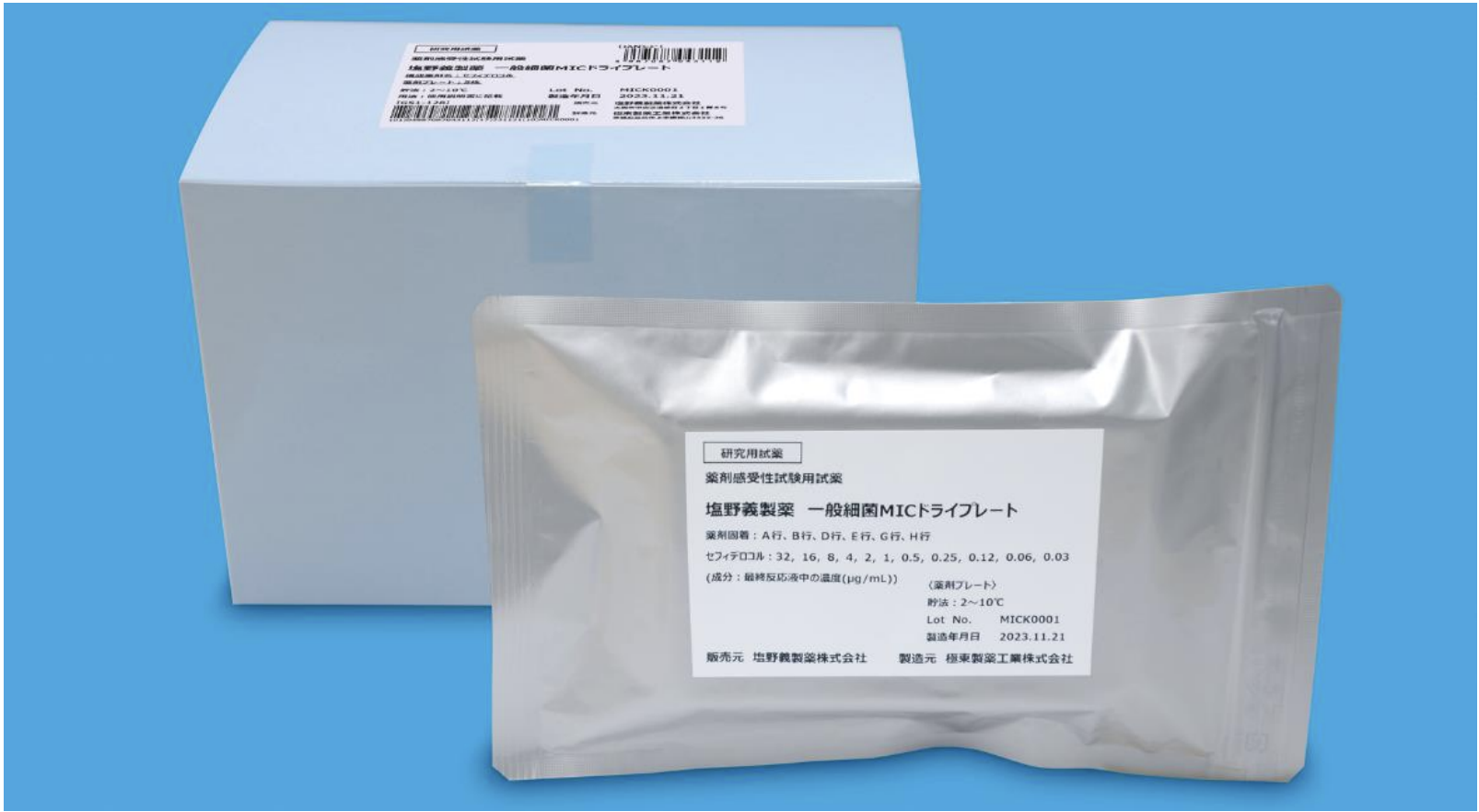
Fetroja (cefierocol) fully packaged. Source: Shionogi press release


Getting inside bacteria that block everything else

Shionogi’s drug, cefiderocol, solves a problem that has stumped antibiotic developers for decades. The most dangerous drug-resistant bacteria known as Gram-negative strains, have a tough outer membrane that acts like a physical shield, blocking most antibiotics before they can do anything.

Cefiderocol gets around this by disguising itself. It mimics the chemical signals bacteria use to absorb iron from their environment, essentially tricking the bacteria into pulling the drug inside. Once through the membrane, it attacks the cell wall from within.

The result is a drug that works against strains that defeat older treatments, including the carbapenem-resistant bacteria that have become a growing crisis in hospitals worldwide.

Cefiderocol is now approved in 27 countries. China’s regulator cleared it on January 8 this year, and Japan’s Ministry of Health awarded Shionogi a prize for the drug’s contribution to tackling drug resistance in January 2026.

Pharmacy, box and medicine on shelf in store for prescription. Source: Envato

How it performs in practice

At a major infectious disease conference in April 2026, Shionogi presented data from a real-world study of 232 patients in Spain. All of them had infections caused by bacteria that produce enzymes capable of destroying nearly every available antibiotic. These were genuinely desperate cases, 27% were in intensive care and 13% were already in septic shock when treatment began.

Among those treated with cefiderocol, 68% were clinically cured within 14 days. Survival rates were 90% at day 14 and 83% at day 28.

In April, the Access to Medicine Foundation ranked Shionogi second among large pharmaceutical companies for its overall work on drug resistance. The company has also partnered with two global health organizations to make cefiderocol available in 135 lower-income countries, where drug-resistant infections hit hardest but access to new treatments is often worst.

A drug, not a solution

Cefiderocol treats infections that have already become resistant. It does not slow the spread of resistance or reduce antibiotic overuse, the two root causes of the crisis. And a drug used only in the most severe cases will always be a last resort, not a fix.

The drug also carries a caveat worth noting. An earlier clinical trial in critically ill patients found higher mortality in the cefiderocol group than in a comparison group receiving the best available treatments at the time. This result has prompted ongoing scientific debate about which patients benefit most and under what conditions. Doctors are advised to use it only when susceptibility is confirmed.

For Japan, the story is partly about what it takes to keep developing antibiotics when most of the industry has given up. Shionogi spent years and significant capital on a drug that treats a relatively small number of patients. The fact that it is now in use in 27 countries, and being made accessible in dozens more, reflects a commercial and scientific bet that paid off, even if it barely dents the broader problem.


Previous Post

Japanese telecom bets on liquid cooling to take the heat out of AI’s energy crisis

Toshi Maeda

Toshi Maeda

A multilingual journalist with over 25 years of experience in the media industry, Maeda worked as a producer and correspondent for Reuters TV in Tokyo after stints as a reporter at The Japan Times, The Associated Press in San Francisco, Newsday in New York, and The Desert Sun in Palm Springs, California. Maeda has also taught journalism at Komazawa University’s Faculty of Global Media Studies. Currently, he serves as executive editor for solutions-focused bilingual news platform J-Stories, a PBMC media outlet.

Related Posts

BioTech

Japanese startup Neron develops gut bacteria ‘cocktail’ to ease stress and support mental health

by Kei Mizuno
05/11/2026
BioTech

Evolutionary artificial protein slated for market debut as early as June 2026

by Yoshiko Ohira
04/17/2026
HealthTech

Engineering safety from the ground up

by Tokyo Updates
02/13/2026
BioTech

Toward a targeted therapy with fewer side effects for chronic allergic eye disease

by Yoshiko Ohira
01/08/2026
BioTech

Toward a future where cancer is treated like a common cold

by Kei Mizuno
11/12/2025

Leave a Reply Cancel reply

Your email address will not be published. Required fields are marked *

Trending

Greening the desert with trash

by Yui Sawada
03/23/2023
0

KYOTO (JStories) - The sight of local Niger women throwing kitchen waste out into the African desert inspired a project...

Antibodies that grow teeth in wild-type mice. Source: Toregem Biopharma

World’s first ‘teething drug’ clinical trial starts in September – Aiming for full commercialization by 2030

by Ruriko Kokubun
06/07/2024
0

Editor's Note: This article has been updated with new information. It was originally published on 09/22/2023. J-STORIES - The conventional...

The world’s first drug that helps patients ‘grow new teeth’

by Ruiko Kokubun
09/22/2023
0

KYOTO (JStories) - The conventional way to help people who have lost teeth due to tooth decay or aging has...

A pocket-size AED innovation to save more lives

by Suvendrini Kakuchi
09/11/2025
0

JStories ー A Japanese startup has developed a pocket-size automated external defibrillator (AED) — about the size and weight of...

JStories

©Articles and photos published on JStories are protected by Japanese copyright law and international treaties. They cannot be reproduced without the permission of the copyright holders

Explore JStories

  • Home
  • About JStories
  • JStories Newsletter Sign-Up
  • Company
  • Team
  • Contact
  • Privacy Policy
  • Partner Press Releases

Follow Us

Welcome Back!

Login to your account below

Forgotten Password?

Retrieve your password

Please enter your username or email address to reset your password.

Log In
No Result
View All Result
  • TOP STORIES
  • AI
    • Artificial Intelligence
    • Robotics
    • Mobility
    • FinTech
    • Quantum
  • Earth
    • AgriTech
    • Green Innovation
    • Disaster Tech
    • SpaceTech
    • Materials
  • Life Sciences
    • BioTech
    • HealthTech
    • MedTech
    • AgeTech
  • Society
    • Media
    • EdTech
    • Diversity
    • FemTech
    • Social Impact
  • Lifestyle
    • FoodTech
    • Beauty & Fashion
    • Wellbeing
    • Arts & Music
    • Anime
  • Travel
    • Adventure Travel
    • Luxury Travel
    • Wellness & Medical Tourism
    • Culture
  • Video
  • Deals
    • Venture Capital
    • M&A
    • Events
    • Growth Support
    • Legal & IP
  • Interview
  • Opinion

©Articles and photos published on JStories are protected by Japanese copyright law and international treaties. They cannot be reproduced without the permission of the copyright holders

Not enough quota to unlock this post
Unlock left : 0
Are you sure want to cancel subscription?