




PROBLEM: Bacteria are evolving faster than medicine can keep up, with drug-resistant strains surging 69 percent in the U.S. last year and the global antibiotic pipeline nearly empty.
SOLUTION: Shionogi’s cefiderocol tricks resistant bacteria into absorbing it, and is now approved in 27 countries with strong real-world results in patients where all other drugs had failed.
Every year, millions of people develop bacterial infections that no antibiotic can cure. Not because the drugs are weak, but because the bacteria have had decades of exposure to antibiotics and have evolved to survive them. Some strains can now even destroy the strongest drugs hospitals keep in reserve for their sickest patients.
These drug-resistant bacteria are among medicine’s most pressing unsolved issues. The strains that doctors worry about most are called carbapenem-resistant. Carbapenem-resistant bacteria strains are named after a family of powerful antibiotics that were once considered a reliable last resort. In the United States alone, infections caused by these strains surged 69 percent last year. Globally, drug-resistant bacteria of all kinds contributed to an estimated 4.71 million deaths in 2021, and the World Bank projects they could cost the global economy up to $3.4 trillion annually by 2030.
The pipeline of new antibiotics to fight them is close to empty. The WHO’s latest count found only 27 antibiotics in clinical development targeting the most dangerous bacteria, out of which only six of those use genuinely new approaches. Most pharmaceutical companies have walked away from antibiotic research: the drugs are used sparingly and for short periods, making them poor investments compared with treatments for chronic diseases.
However, one Osaka-based company decided to persist in the field.
Getting inside bacteria that block everything else
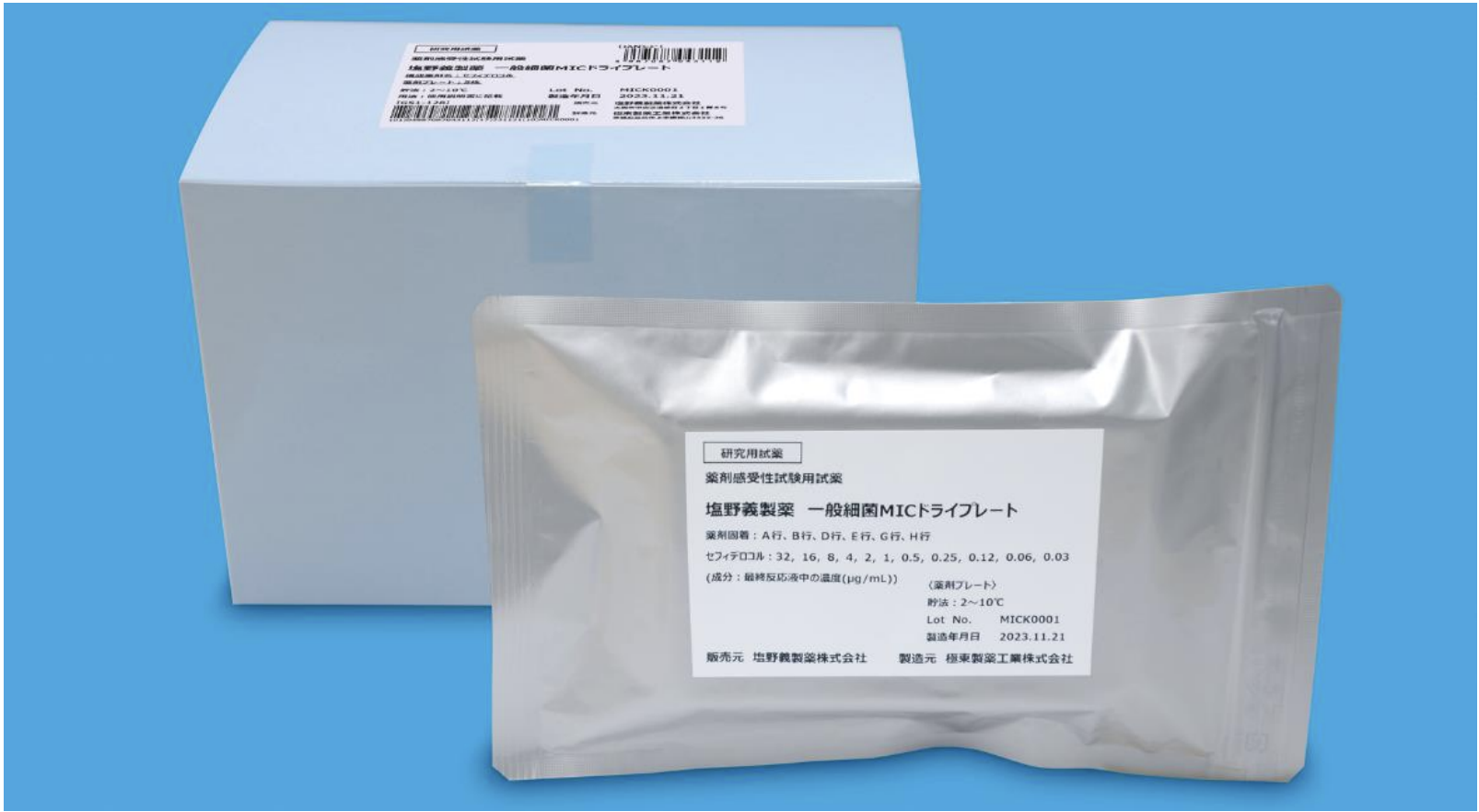
Shionogi’s drug, cefiderocol, solves a problem that has stumped antibiotic developers for decades. The most dangerous drug-resistant bacteria known as Gram-negative strains, have a tough outer membrane that acts like a physical shield, blocking most antibiotics before they can do anything.
Cefiderocol gets around this by disguising itself. It mimics the chemical signals bacteria use to absorb iron from their environment, essentially tricking the bacteria into pulling the drug inside. Once through the membrane, it attacks the cell wall from within.
The result is a drug that works against strains that defeat older treatments, including the carbapenem-resistant bacteria that have become a growing crisis in hospitals worldwide.
Cefiderocol is now approved in 27 countries. China’s regulator cleared it on January 8 this year, and Japan’s Ministry of Health awarded Shionogi a prize for the drug’s contribution to tackling drug resistance in January 2026.
How it performs in practice
At a major infectious disease conference in April 2026, Shionogi presented data from a real-world study of 232 patients in Spain. All of them had infections caused by bacteria that produce enzymes capable of destroying nearly every available antibiotic. These were genuinely desperate cases, 27% were in intensive care and 13% were already in septic shock when treatment began.
Among those treated with cefiderocol, 68% were clinically cured within 14 days. Survival rates were 90% at day 14 and 83% at day 28.
In April, the Access to Medicine Foundation ranked Shionogi second among large pharmaceutical companies for its overall work on drug resistance. The company has also partnered with two global health organizations to make cefiderocol available in 135 lower-income countries, where drug-resistant infections hit hardest but access to new treatments is often worst.
A drug, not a solution
Cefiderocol treats infections that have already become resistant. It does not slow the spread of resistance or reduce antibiotic overuse, the two root causes of the crisis. And a drug used only in the most severe cases will always be a last resort, not a fix.
The drug also carries a caveat worth noting. An earlier clinical trial in critically ill patients found higher mortality in the cefiderocol group than in a comparison group receiving the best available treatments at the time. This result has prompted ongoing scientific debate about which patients benefit most and under what conditions. Doctors are advised to use it only when susceptibility is confirmed.
For Japan, the story is partly about what it takes to keep developing antibiotics when most of the industry has given up. Shionogi spent years and significant capital on a drug that treats a relatively small number of patients. The fact that it is now in use in 27 countries, and being made accessible in dozens more, reflects a commercial and scientific bet that paid off, even if it barely dents the broader problem.
For inquiries regarding this article, please contact [email protected].