

PROBLEM: Venezuela’s twin earthquakes have killed more than 2,200 people and knocked out the national water system across seven states, leaving overwhelmed hospitals and survivors without safe water.
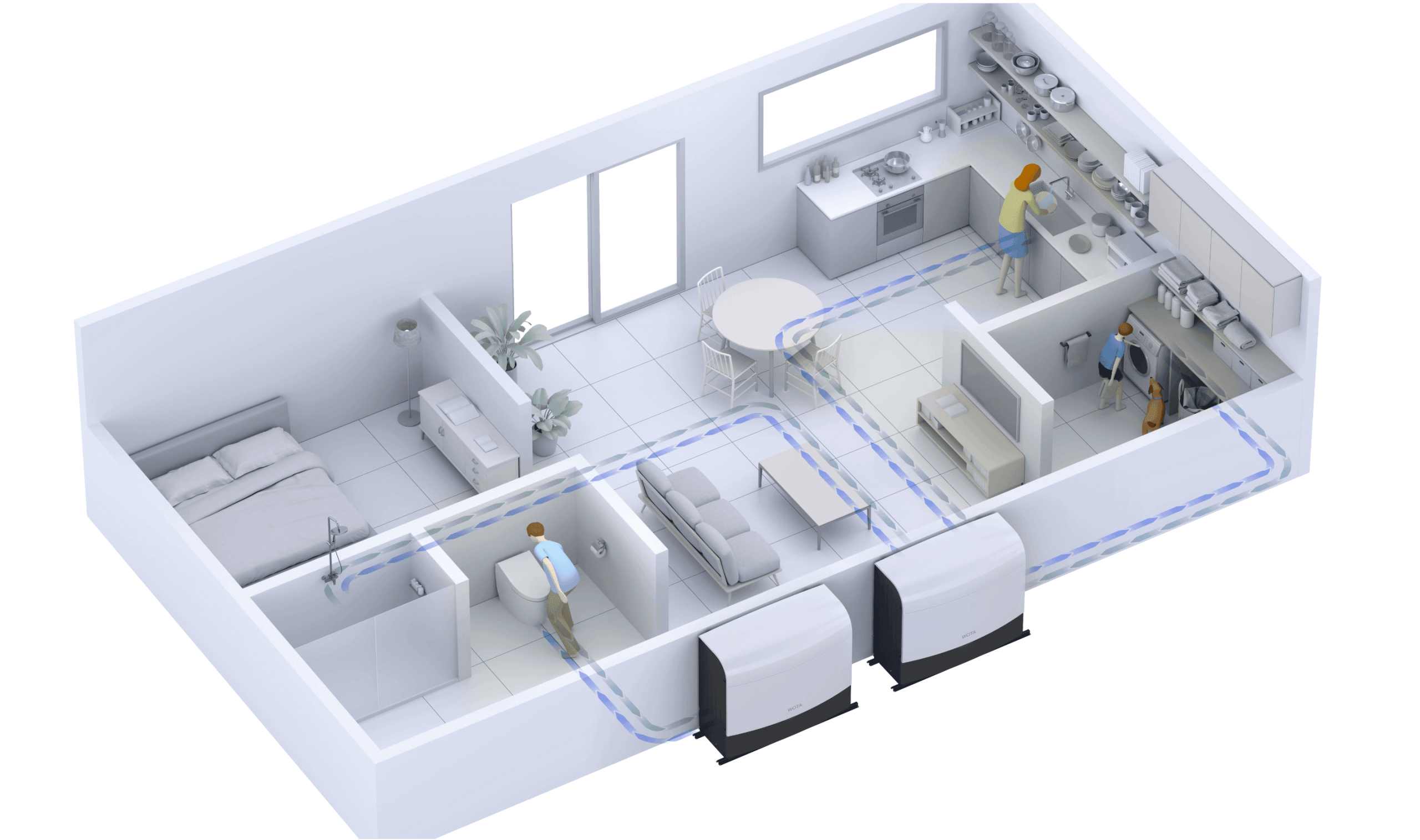
POTENTIAL SOLUTION: Wota, a Tokyo startup, makes Wota Box, a portable AI-controlled unit that recycles 98 percent of wastewater on-site, letting 100 people shower on just 100 liters.
Venezuela is running out of clean water where it’s most needed. The magnitude 7.2 and 7.5 earthquakes that struck the country’s northern coast on June 24, just 39 seconds apart, have killed at least 2,295 people and injured more than 11,200, with tens of thousands still unaccounted for.
The quakes crippled basic infrastructure. The national water system has failed across seven states, according to the International Rescue Committee, and satellite analysis suggests nearly 59,000 buildings were damaged or destroyed. The United Nations estimates up to 6.8 million people may need shelter, water, sanitation and health care, and is warning that infectious diseases could spread as damaged hospitals operate beyond capacity.
In disasters like this, one of the hardest problems is not drinking water, which can be trucked or flown in, but the far larger volumes needed for washing, hygiene and sanitation. A Japanese startup has spent a decade building a machine for exactly that gap.
A shower for 100 people from 100 liters
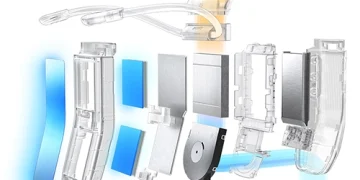
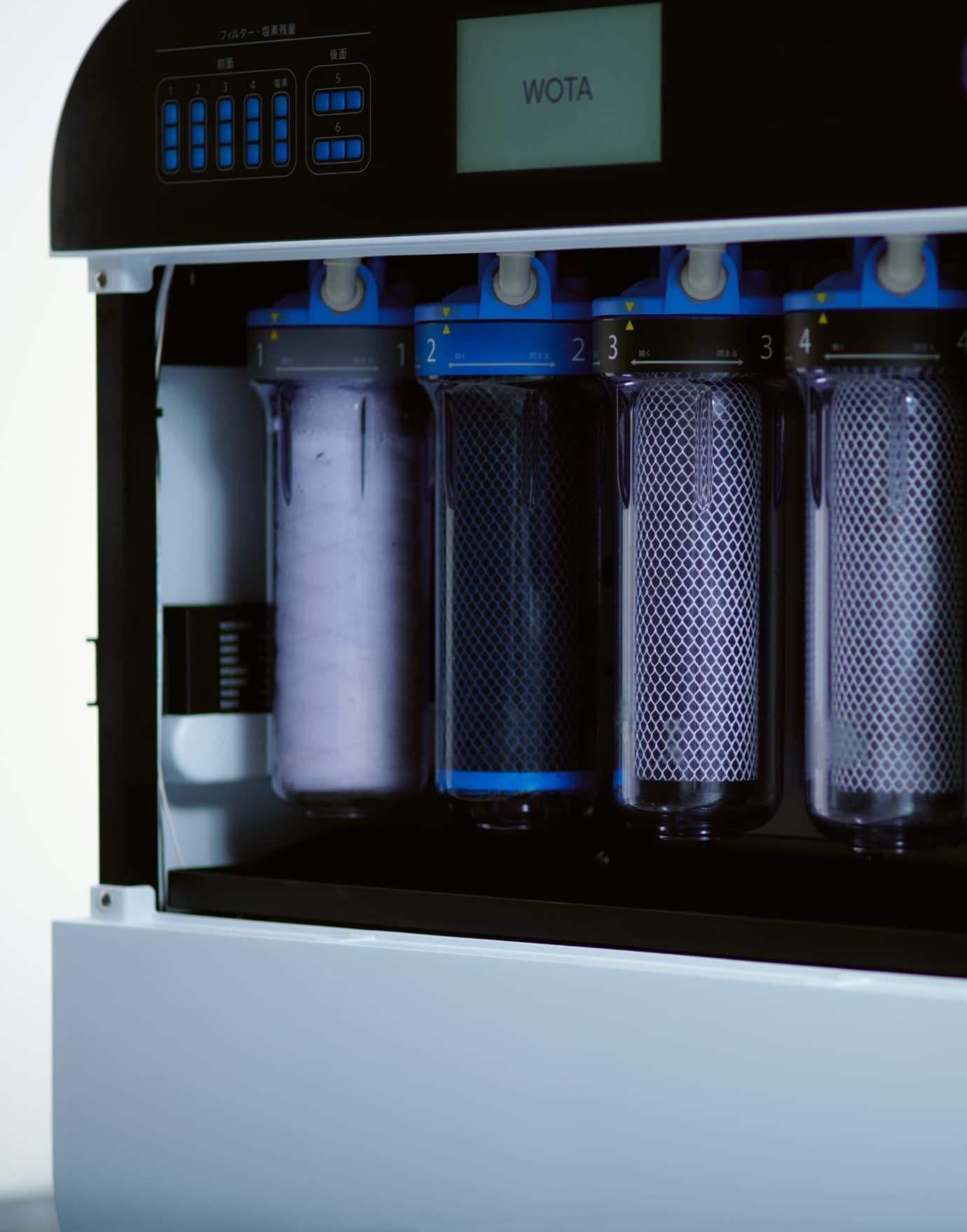
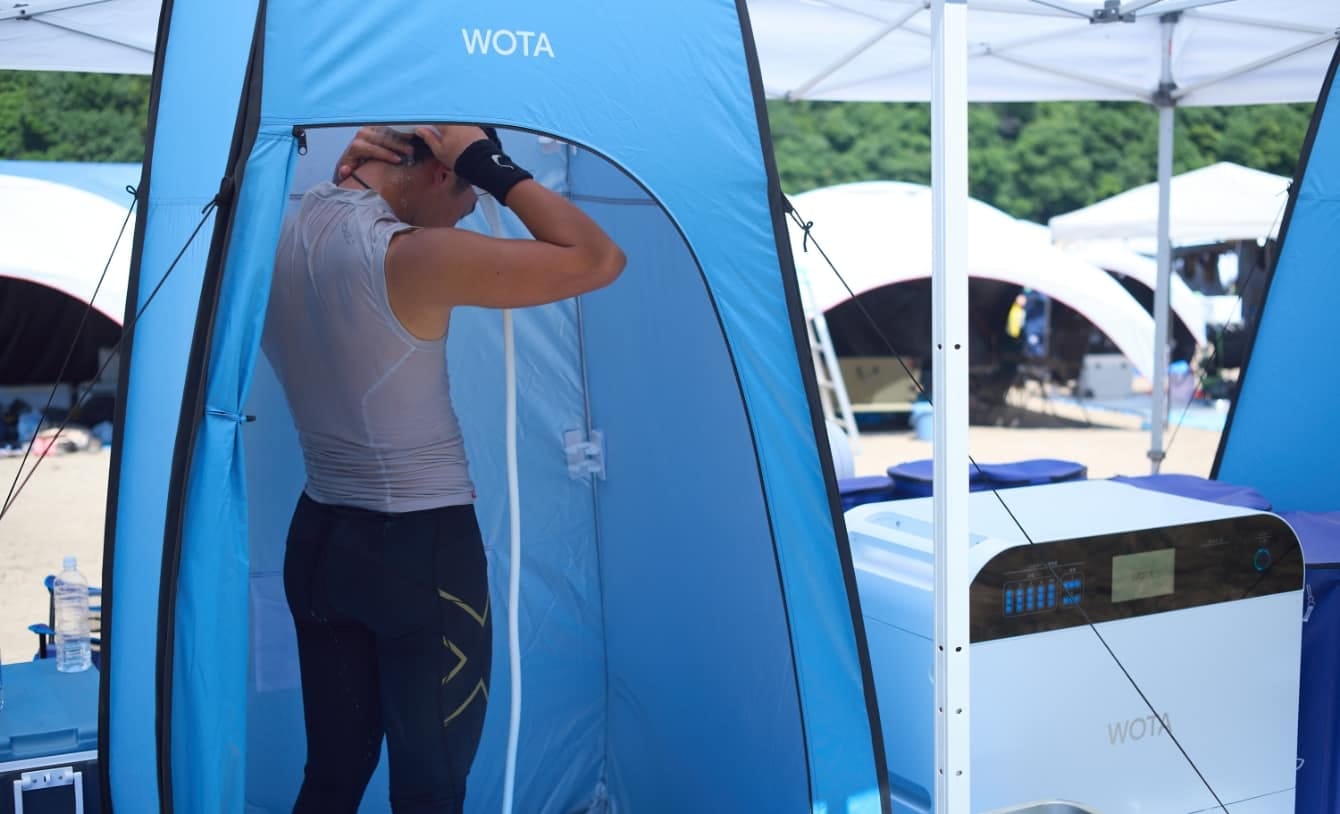
Wota, a Tokyo company founded in 2014 by University of Tokyo graduates, made a portable water-recycling unit about the size of a large suitcase, named “Wota Box”. The system passes used water through six filters, including activated carbon and reverse-osmosis membranes, then applies deep-ultraviolet light and chlorine disinfection, recovering roughly 98 percent of wastewater for reuse. An AI control system monitors water quality continuously, so no engineer is needed on-site; two adults can set it up in about 15 minutes.
The practical effect: where showers for 100 people would normally consume about 5,000 liters of water, a Wota Box needs around 100.
The system is not a paper concept. After the January 2024 earthquake on Japan’s Noto Peninsula, on the Sea of Japan coast, Wota deployed roughly 100 shower units and 200 of its Wosh hand-washing stands, covering 89 percent of evacuation centers and 68 hospitals and care facilities hit by long-term water outages. The company says its units have served 23 municipalities, 120 evacuation centers and 30,000 people in disaster response to date. Japan’s government relief team also flew Wota units to Turkey after the 2023 earthquake there, and the company is running household trials in Antigua and Barbuda.
In March 2026, Wota signed agreements with Ibaraki and Gifu prefectures to expand a mutual-aid platform that pools water-recycling units across Japanese municipalities for rapid disaster deployment. Outside of Japan, Wota has signed a grant agreement on May 21st, 2026, to assist with accelerating the a region-wide demonstration of decentralized water recycling systems in the Caribbean implemented by the United Nations Industrial Development Organization (UNIDO). With a primary focus on Antigua, Barbuda, as well as Barbados, Wota is hoping to demonstrate their new “Wota Unit”, which can function without the use of conventional water supply and sewerage infrastructure.
The Caribbean is not Wota’s only recent international engagement with UNIDO. In February 2026, the company was among 47 Japanese firms that concluded grant agreements with UNIDO for feasibility studies in Ukraine, part of a Japan-funded green industrial recovery initiative aimed at transferring technology and co-creating businesses with Japanese industry. Wota’s contribution to the program is a portable water purification and recycling system with autonomous controls; companies whose feasibility studies meet the project’s criteria will proceed to pilot demonstrations. Taken together, the two programs position Wota’s off-grid water technology as a tool for both climate-driven water scarcity in small island states and infrastructure recovery in conflict-affected regions.
A tested tool, not a fix for Venezuela
Although Wota could possibly help the Venezuela crisis, there are limitations which could have led them to a lack of role in the crisis’ response. Although the Wota Box doesn’t require a high amount of water, each unit still requires a power supply which is often where electricity is scarce and unreliable. Furthermore, against a disaster affecting millions, individual units serve dozens to hundreds of people at a time; scale depends on stockpiles and logistics that took Japan years to build.
The company also operates in a growing but competitive field. The global water recycle and reuse market is projected to expand from $17.89 billion in 2025 to $29.61 billion by 2030, and giants such as Veolia of France and Xylem of the U.S. dominate large-scale systems, while startups like the Netherlands’ Hydraloop target homes. Wota’s niche is the portable, autonomous, disaster-ready end of that spectrum, sharpened by Japan’s own earthquake experience.
Decentralized recycling flips disaster logistics, reusing the water already on hand instead of hauling in thousands of liters. Japan built this capability by treating each disaster as R&D for the next one, a model quake-prone countries far beyond its borders may increasingly need.
Find out more about Wota through our previous stories here.