

JStories – Is sharing personal problems with a virtual anime character easier than face-to-face? In the world’s first clinical trial, researchers at Yokohama City University are testing the effectiveness of “anime character-based therapy.”
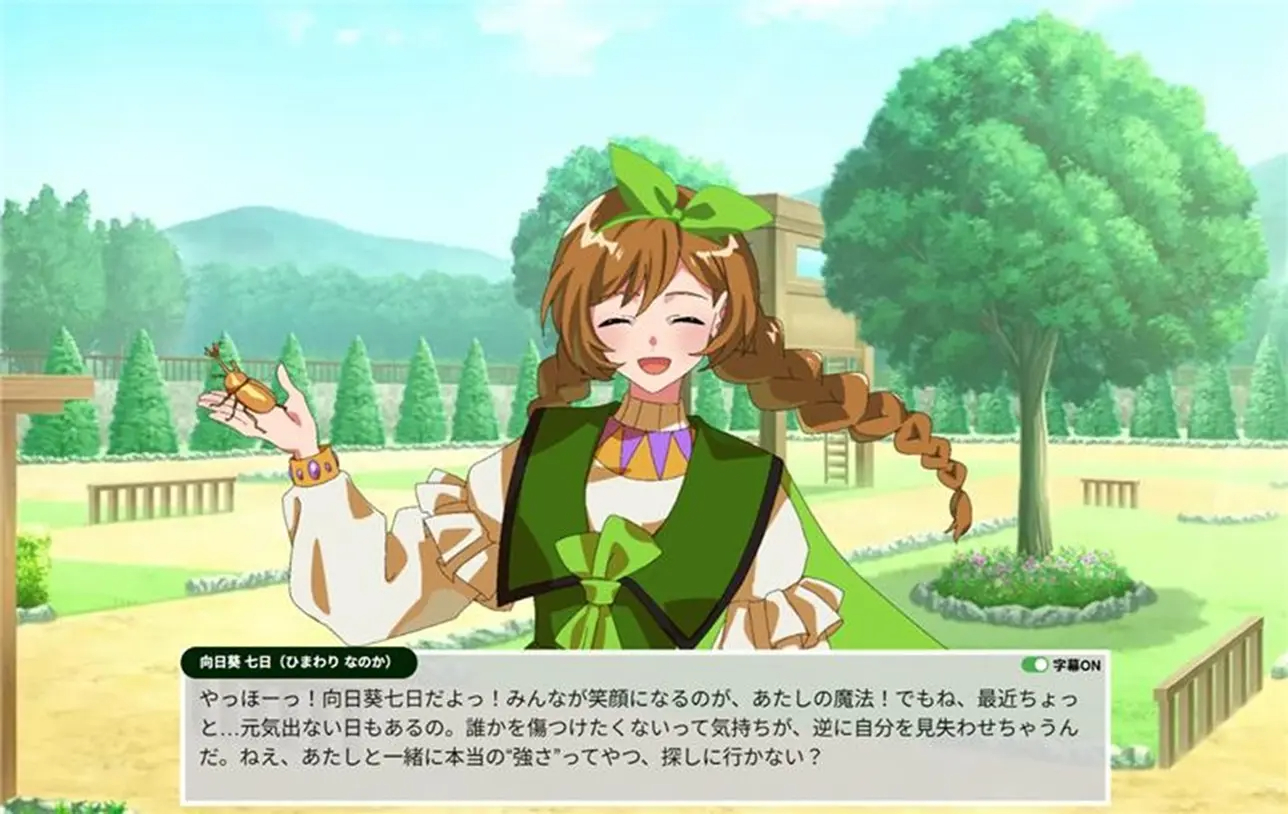
Participants aged 18 to 29 experiencing mild psychological disorders can choose from six original characters (three boys and three girls), developed by Yokohama City University’s COI-NEXT hub, Minds1020Lab and Dai Nippon Printing Co., Ltd.
The characters, each with unique traits and backgrounds, will be voiced live by a public psychologist using a voice-modifier to sound like the character.
Japan has faced a rise in youth suicide rates and anxiety levels in recent years. Despite ranking first in physical health on the UNICEF ranking of child well-being, Japan ranks 32nd out of 36 for mental health. “Very few young people seek medical help even when they feel unwell,” says Mio Ishii, associate professor at Yokohama City University in charge of overseeing clinical implementation. “We want to make anime therapy a new option.”
In theory, participants will choose characters whose backgrounds they relate to most, becoming immersed in the fictional world and making it easier to tackle emotionally draining topics. As the online sessions progress, participants will uncover more about their character’s background.

Francesco Panto, who developed the idea in his book “Practical Anime Therapy: Prescriptions for Clinically Useful Stories,” explained in an exclusive interview with JStories that anime therapy may reduce anxiety in young adults, “in real-life human relationships, slight changes in expression or eye movements can easily evoke anxiety ー such as “Was I just rejected?” or “Am I being judged?”ー which places a heavy psychological burden on those with strong anxiety tendencies.”
On Oct. 1, 2025, COI-NEXT, Minds1020Lab, and Dai Nippon Printing Co., Ltd. (DNP) launched the trial, scheduled to continue until June 2026. DNP was responsible for the design and creation of the original characters and the counseling system.
Panto, originally from Italy, moved to Japan to pursue a career in psychology. As a child, anime shows like “Magic Knight Rayearth,” “Sailor Moon,” and “Miracle Girls” helped him overcome bullying and mental health struggles. “Many people show a negative reaction when it comes to anime and video games, but I was able to see myself objectively and accept my weaknesses, thanks to anime,” he explains.
Just because anime is associated with Japan doesn’t mean the concept cannot be applied elsewhere, explains Panto: “the psychological mechanisms — ‘immersion in a story,’ ‘relationships with characters,’ and ‘organizing emotions through self-projection’ー are universal across cultures. The number of young people abroad who strongly empathize with characters through anime, games, YA novels, and fantasy works is increasing.”
While virtual therapy has been explored before, the “uniqueness of this research lies in the fact that the character is designed not as a mere external avatar, but as a personality with narrativity and psychological depth,” says Panto.
Panto notes that “professionals may typically find it difficult to disclose their own emotions or experiences due to professional ethics, which can make the relationship feel one-way. Anime characters can become a ‘psychological safe zone’, opening doors to the heart that were difficult to access through conventional face-to-face support.”
While the results of this year’s trial have not been made public, indicators like depression levels and overall satisfaction are taken before and after each session. With the trial set to conclude in June of 2026, Ishii and Panto hope ‘anime therapy’ can be implemented on a wider scale, potentially collaborating with existing anime and game characters.
Written by Lucas Maltzman | JStories
Edited by Takanori Isshiki, Randy Wagenheim | JStories
Top photo: Photo courtesy of Dai Nippon Printing (DNP)
For inquiries regarding this article, please contact jstories@pacificbridge.jp