





JStories — In Japan, more than 42 billion eggs are consumed each year, generating over 250,000 tons of eggshell waste. Samurai Trading, based in Ageo, Saitama Prefecture, is turning this waste into a valuable resource.
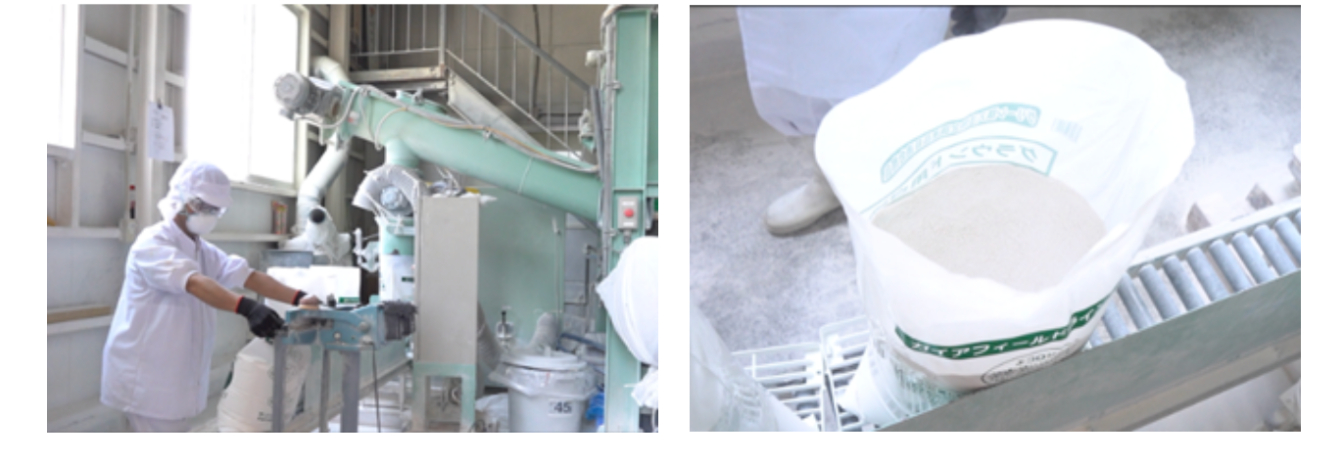
Led by President Yuya Sakurai, the company has developed proprietary technology to separate, dry, and pulverize eggshells into eco-friendly materials used in plastics, paper products, and tableware.
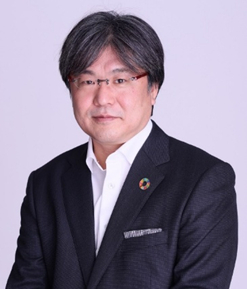
Sakurai discovered the potential of eggshells while running a dessert business, where he saw large amounts of shells being discarded.
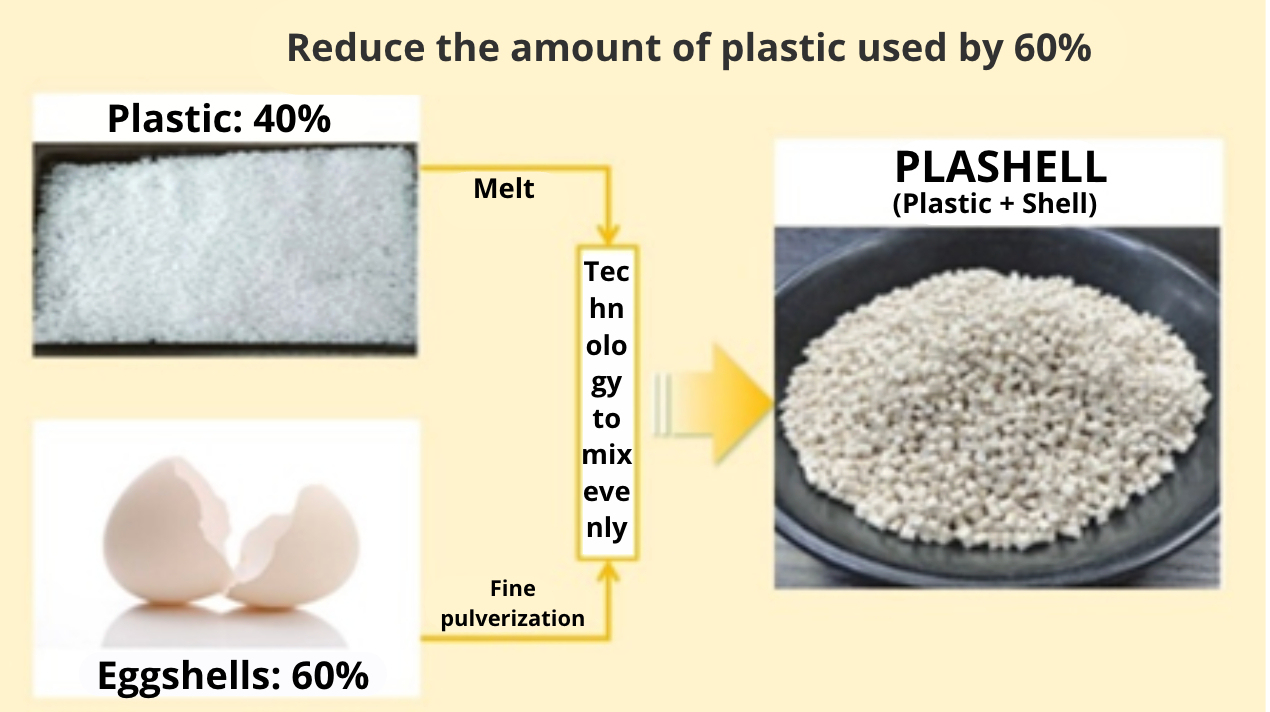
By finely grinding the shells and incorporating them into plastic at levels of up to 60%, the company reduces resin use and environmental impact. Some existing eco-plastic products mix petroleum-based resin with materials such as rice or wood chips. However, to be classified as combustible waste, such products must contain at least 51% natural materials — a level that can be difficult to maintain in stable production.
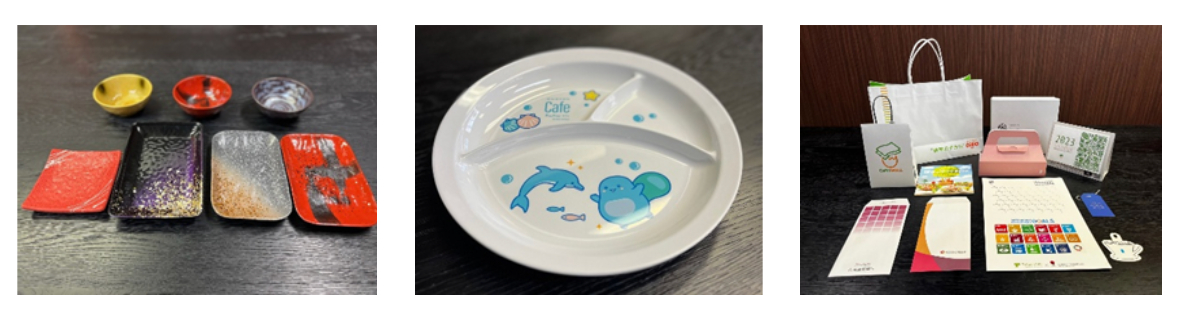
PLASHELL, one of Samurai Trading’s leading products, is microwave-safe and break-resistant, making it popular for children’s tableware. It is also increasingly used by aquariums concerned about marine plastic pollution.
Meanwhile, the durable CaMISHELL material is used for paper products such as envelopes, packaging, and business cards, and is popular with financial institutions and local governments.
Another material, SHELLMAINE, is a heat-resistant, thermosetting material with a ceramic-like texture used for tableware and other products.
The company’s innovations earned the Encouragement Award at the 2019 Shibusawa Eiichi Business Awards, followed by the Grand Prize in 2020. These accolades led to partnerships with the Saitama Association of Corporate Executives and financial institutions.
To reduce its carbon footprint, Samurai Trading has eggshell processors ship raw materials directly to paper mills, minimizing transportation and carbon dioxide emissions. “Frequent transportation generates more CO2,” Sakurai said. “If we don’t commit to reducing emissions to the limit, there is no point in doing this business.”
Sakurai’s environmental awareness dates back to a 2005 visit to a U.S. supermarket. At first, he noticed the store lacked the bright, flashy atmosphere common in Japan. He later realized this reflected a broader environmental consciousness.
After watching a documentary on climate change during the trip, he became convinced that an environmentally conscious society would eventually emerge in Japan.
After returning home, he began using eggshells as fertilizer and schoolyard line markers. “I did what I thought was right, but it was before the concept of SDGs really existed,” he recalled. “Few companies were involved in environmental activities, and I received little recognition.”
The turning point came after the 2011 Great East Japan Earthquake. While volunteering in disaster-stricken areas, Sakurai witnessed the overwhelming power of nature. “We cannot compete with the threats of nature,” he said. “If we don’t get serious about conservation now, the world will reach a point of no return.”
The company is expanding its SDG initiatives through partnerships with corporations and local governments. It creates jobs for people with disabilities by outsourcing parts of the manufacturing process to welfare facilities and uses part of its profits to support mangrove reforestation in the Philippines. “We are increasing the share of sales returned to support this work so that people with disabilities can feel a sense of purpose and fulfillment,” Sakurai said. “We also aim to triple the hourly wages previously paid.”
The venture aims for “zero emissions,” a philosophy focused on reducing waste and greenhouse gas emissions as much as possible.
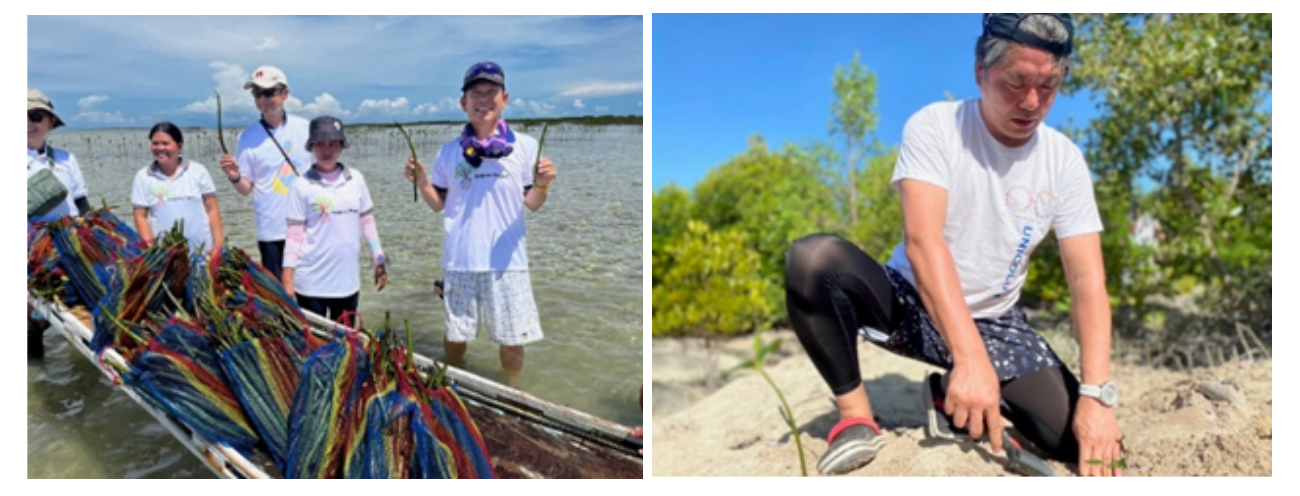
Sakurai is also promoting the “Eco Tama Project,” a public-private SDG initiative launched in 2019 with Kanepackage Co. and Vegitech Co. More than 50 organizations have joined the project, which combines the promotion of eggshell products with mangrove planting on Cebu Island, Philippines. These forests support ecosystems and act as natural barriers against typhoons and tsunamis. To date, Sakurai and his company have helped plant 15 million mangrove trees.
Looking ahead to his 60th birthday in three years, Sakurai plans to shift his focus toward global environmental education. He intends to spin off his current business to dedicate his time to building schools and teaching in developing nations.
“Given the current global instability and conflict, it is uncertain whether we can pass the SDGs on to the next generation,” Sakurai said. “To avoid this risk, we must prioritize education.”
Translated by Lucas Maltzman | JStories
Edited by Lucas Maltzman, Anita De Michele, Mark Goldsmith
Top photo: Envato
For inquiries regarding this article, please contact [email protected]