


JStories — As Japan works to strengthen its startup ecosystem, more entrepreneurs with original ideas are beginning to emerge. One organization linking Japan to the global innovation scene is World Innovation Lab (WiL), a venture fund with bases in Japan and the United States. WiL focuses on bridging large corporations and startups while supporting the next generation of founders, with the aim of creating ventures that originate in Japan and compete globally.
Milana Kuzmanovic, a partner at WiL, was born in Bosnia and Herzegovina. Her connection to Japan dates back to childhood, shaped by experiences during the conflict in her home country.

“When I was a child, conflict destroyed much of the infrastructure, and daily life was extremely difficult,” Kuzmanovic recalls. “One day, I noticed yellow buses running through the city and learned they had been provided through support from the Japanese government. I was shocked. Our country is small and not even close to Japan geographically. There didn’t seem to be any direct benefit for Japan. So why would they help us? That question stayed with me.”

As her interest in Japan grew, Kuzmanovic chose Japanese history as her focus in high school.
Drawn in particular to Saigo Takamori, a central figure in Japan’s Meiji Restoration, she wrote her graduation thesis on the period. She later studied economics and East Asian studies at university, and decided to pursue a career in Japan that combined both fields.
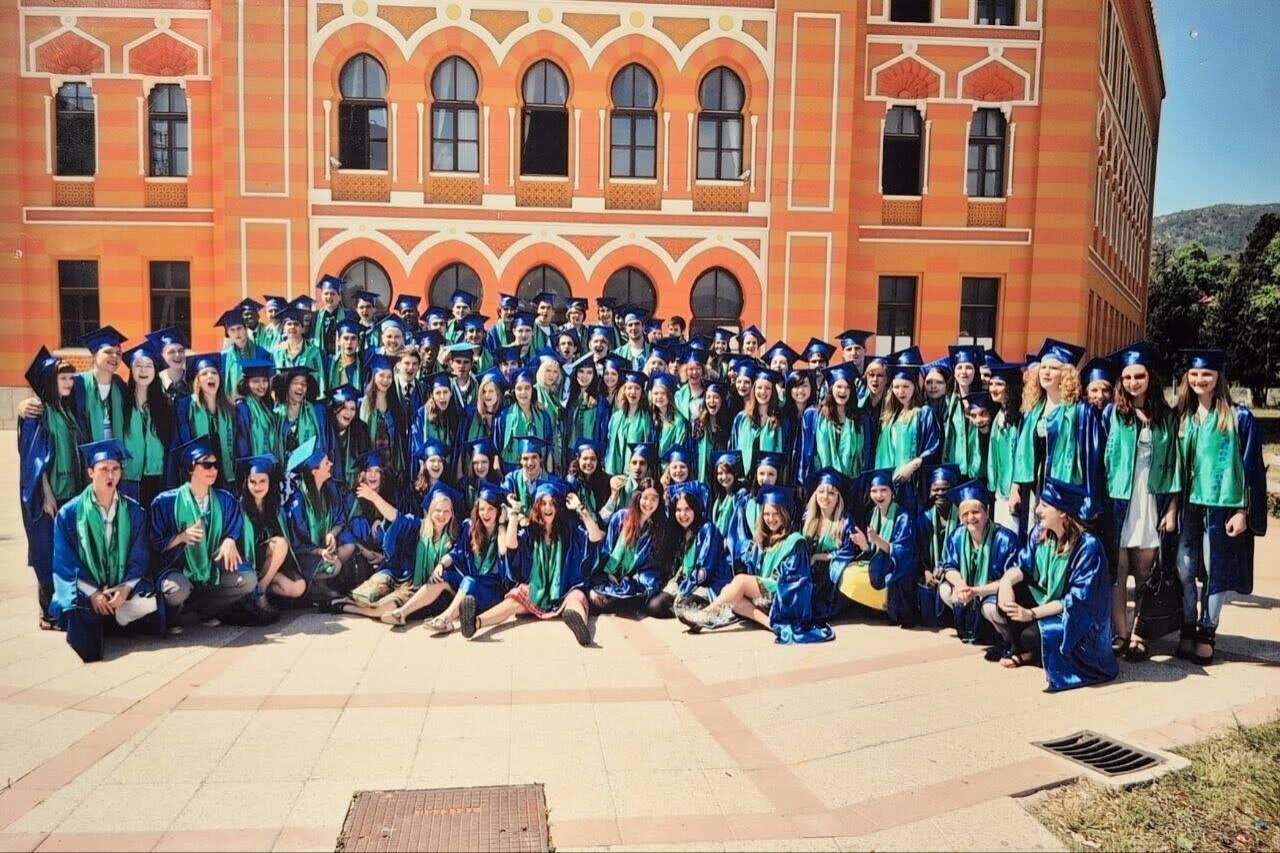
“The people I met in Japan were incredibly kind, and they helped me in so many ways,” she says. “Over time, I developed a strong feeling that I wanted to give something back to Japan someday.”
That desire eventually led her to join WiL in 2021. Today, Kuzmanovic splits her time between Silicon Valley and Tokyo. Much of her work involves managing relationships with U.S. venture funds, while also supporting the development of Japan’s startup ecosystem.
“I genuinely hope to see more ambitious entrepreneurs grow in Japan,” she says. “One of Japan’s great strengths is its ability to execute. Once a decision is made, people here create a plan and carry it out steadily.”
She also points to resilience as a defining national trait. “Japan has faced major hardships many times and has always found a way to recover. That resilience is deeply rooted in its history.”

From her vantage point, working across Japan and the United States, Kuzmanovic speaks candidly about differences in startup culture.
“Many of the startups that grew rapidly in the U.S. began with ideas that sounded ‘crazy’ in a good way,” she says. “Uber — getting into a stranger’s car? Airbnb — staying in a stranger’s home? SpaceX — private companies launching rockets? All of these once seemed unrealistic. What they shared was the courage to dream.”
At the same time, she stresses that Japan has its own strengths. “Japan has many outstanding entrepreneurs, and we’ve invested in a wide range of companies here,” Kuzmanovic says. “I’d like to see more bold, unconventional ideas, and a greater willingness to dream big and take risks without being afraid of failure.”
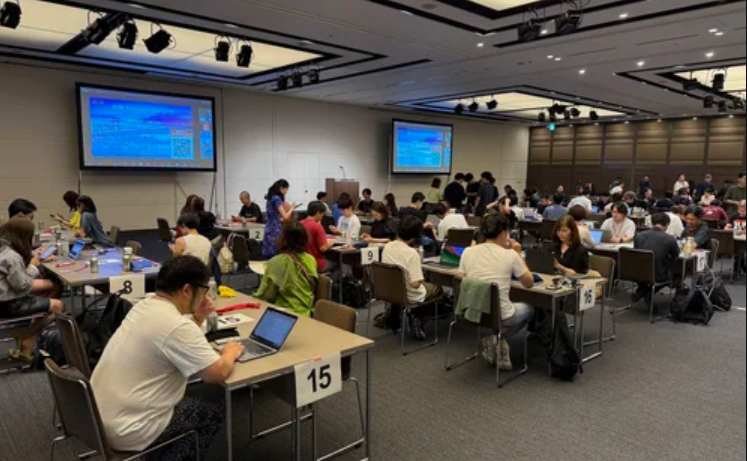
One initiative aimed at encouraging that mindset is the government-backed entrepreneur development program Sido Next Innovator. Launched in 2015 by Japan’s Ministry of Economy, Trade and Industry and the Japan External Trade Organization (JETRO), WiL has served as the program’s secretariat since its inception. From fiscal 2025, the initiative has operated as the Sido Next Innovator Foundation, offering hands-on business development support with input from investors, entrepreneurs, and corporate executives.
“It’s a rare opportunity where anyone can join, refine their ideas, and receive advice,” Kuzmanovic says. “Top participants from the domestic program can also take part in a Silicon Valley program. What I find especially inspiring is the culture of giving back.
Graduates return as volunteers to mentor the next generation. That spirit of passing value forward is something I find deeply moving and very characteristic of Japan.”
Looking ahead, Kuzmanovic sees strong potential for Japan in areas such as robotics, deep tech, and AI-driven innovation. She also believes interpersonal skills will grow more important as technology advances.
“As AI develops, there’s concern that human-to-human communication may weaken,” she says. “Japan has a culture of empathy and respect for others’ feelings, and people here are skilled at communicating with awareness of another person’s perspective. That’s something the world can learn from Japan.”
Japan faces mounting social challenges, including a declining birthrate and an aging population. Still, Kuzmanovic believes the country’s history of overcoming adversity offers reason for optimism.
“The core of my values is giving back,” she says. “I want to pass on what I’ve received, ideally in double, to the next person. I still have a lot to learn myself, but for the sake of the next generation and the future, I want to keep pushing myself.”
Translated by Anita De Michele | JStories
Edited by Mark Goldsmith
Top photo: Photo courtesy of Milana Kuzmanovic
For inquiries regarding this article, please contact [email protected]
Milana Kuzmanovic
Profile
Kuzmanovic earned her bachelor’s degree from Wellesley College in 2014 and an MBA from Northwestern University’s Kellogg School of Management in 2020. She began her career as an analyst at Citigroup Securities Japan in 2014, later working as a research analyst at the IMF’s Institute for Capacity Development. She joined McKinsey & Company as a management consultant in 2020 and became part of the World Innovation Lab in 2021. Her work focuses on investments in venture and growth funds and on driving strategic initiatives at the management company level.