





JStories — As cities around the world grapple with aging roads, sewage networks, and underground infrastructure, the risk of sudden road collapses is becoming an increasingly urgent public safety concern. Sinkholes often form out of sight beneath the surface, making early detection difficult, while conventional inspection methods remain costly and labor-intensive.
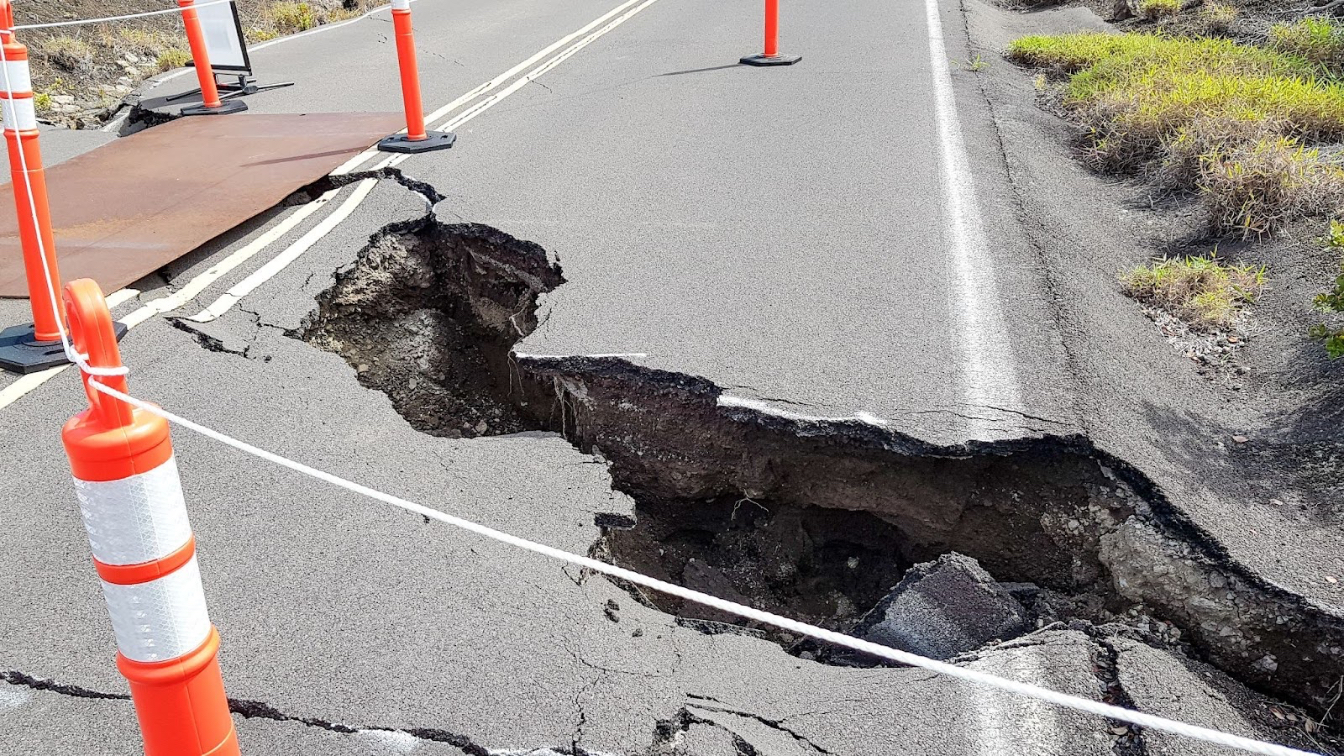
In Japan, the issue came into sharp focus following a major road collapse in Yashio City, Saitama Prefecture, in 2025. The incident caused significant disruption for local residents, including foul odors and the release of hydrogen sulfide from damaged sewer pipes, underscoring the dangers posed by deteriorating infrastructure. According to the Ministry of Land, Infrastructure, Transport and Tourism (MLIT), approximately 22,000 road cave-ins were confirmed nationwide between 2023 and 2024, including around 500 sinkholes deeper than one meter.
Despite the risks, inspections — a cornerstone of urban safety — remain insufficient. Current approaches rely on visual checks inside water and sewage pipes or ground-penetrating radar surveys conducted from the surface. In practice, these on-site inspections require significant manpower and incur high costs, limiting how frequently they can be carried out.
Against this backdrop, NTT has successfully demonstrated what it describes as the world’s first method for detecting precursors to road sinkholes using Synthetic Aperture Radar (SAR) satellites. By analyzing the reflection characteristics of microwaves emitted from orbiting satellites, the system can identify anomalies developing underground. Because high-risk areas can be narrowed down without on-site visits, the technology is expected to streamline inspection processes, reduce costs, and improve safety.
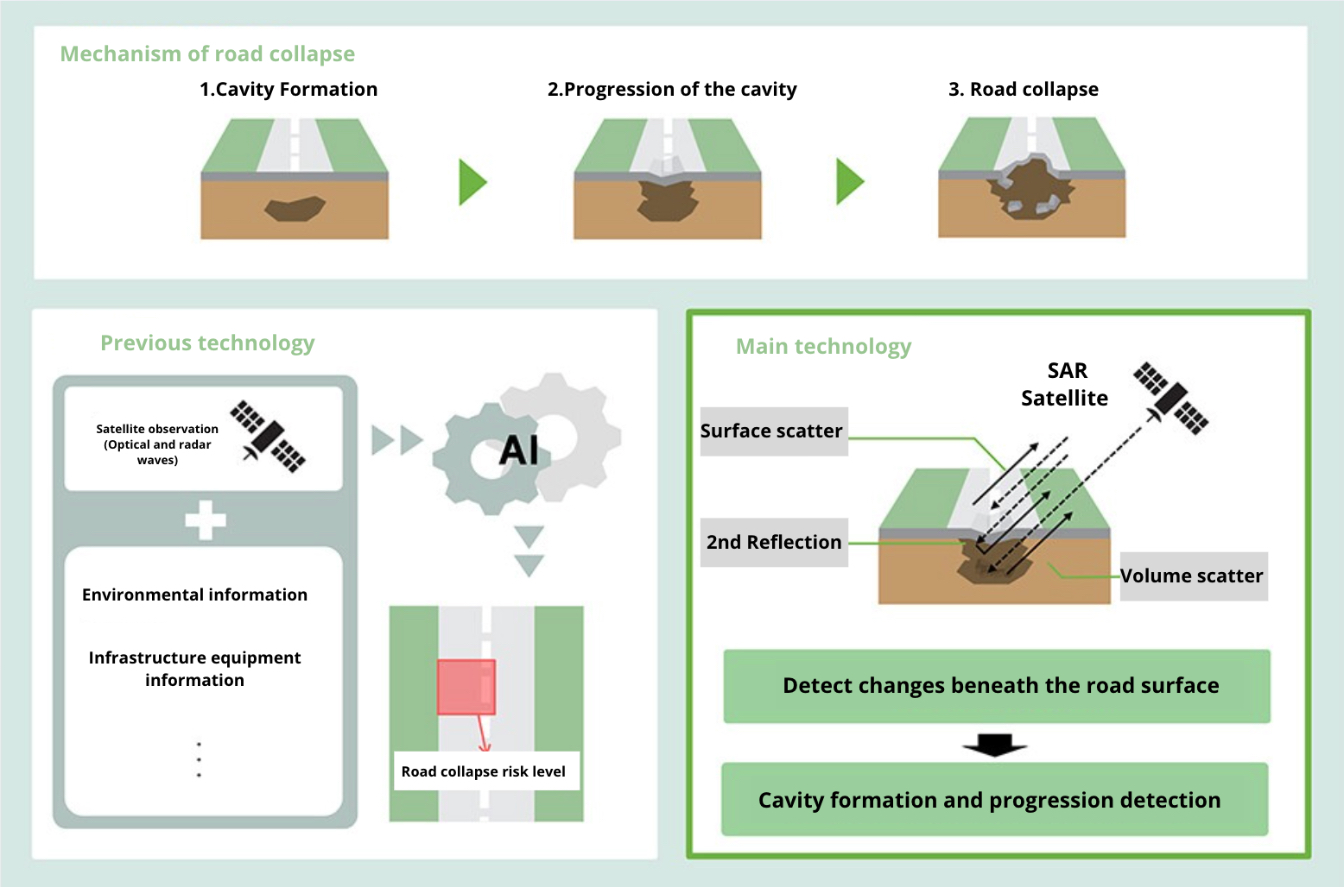
Road sinkholes typically develop in stages: first, an underground cavity forms, the surrounding ground becomes disturbed, and eventually minute irregularities appear on the surface. NTT’s new inspection method detects these early warning signs by analyzing changes in the direction and intensity of reflected radio waves. After comparing the results with underground cavity survey data, the company confirmed that cavities can be detected using satellite data alone. NTT estimates the approach could cut inspection costs by about 85% compared with conventional techniques.
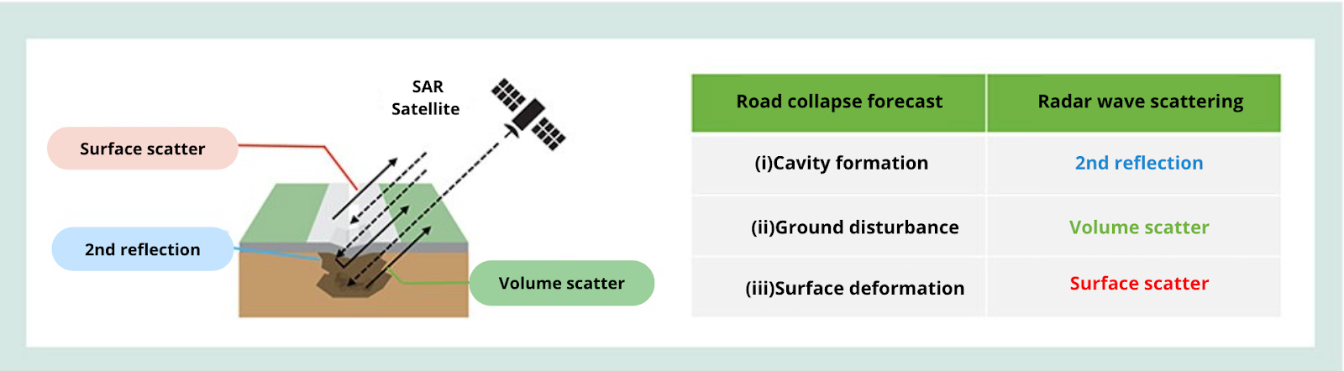
NTT has also unveiled a complementary technology that monitors ground conditions using optical fibers already installed along roads. While the optical-fiber method excels at detecting deep underground cavities, the satellite-based approach is better suited to identifying shallower cavities, which often pose the most immediate risk. By combining technologies with distinct strengths, NTT aims to achieve more reliable precursor detection.
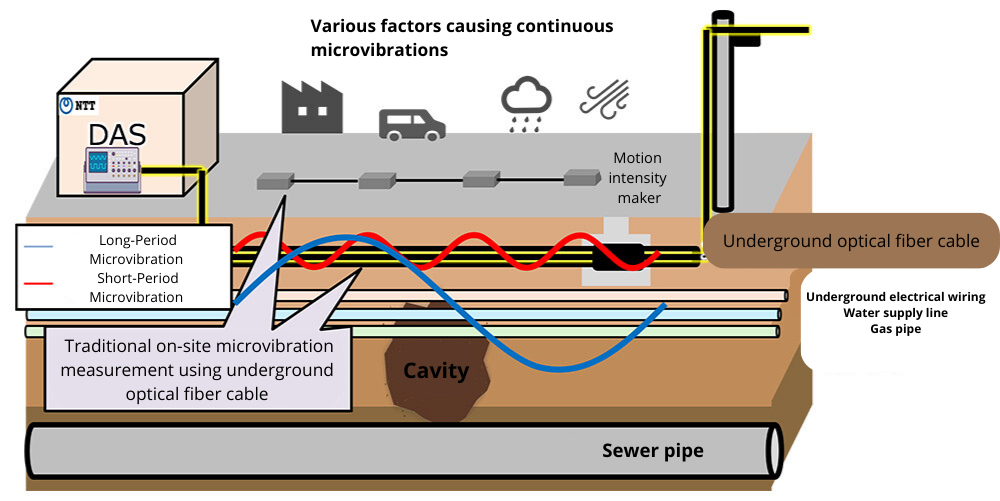
Because sinkholes can develop rapidly, inspections conducted only every few years risk missing critical changes. Regularly orbiting satellites allow for high-frequency, continuous monitoring, enabling earlier detection of dangerous cavities.

Looking ahead, NTT plans to improve the system’s reliability through demonstration experiments conducted in cooperation with local governments, with the goal of strengthening the safety and resilience of critical social infrastructure.
Translated by Lucas Maltzman, Anita De Michele | JStories
Edited by Mark Goldsmith
Top photo: Envato
For inquiries regarding this article, please contact [email protected]