


PROBLEM: A heat dome has put roughly 162 million Americans under heat alerts this week as Europe bakes too, the latest sign extreme heat is straining health and power grids worldwide.
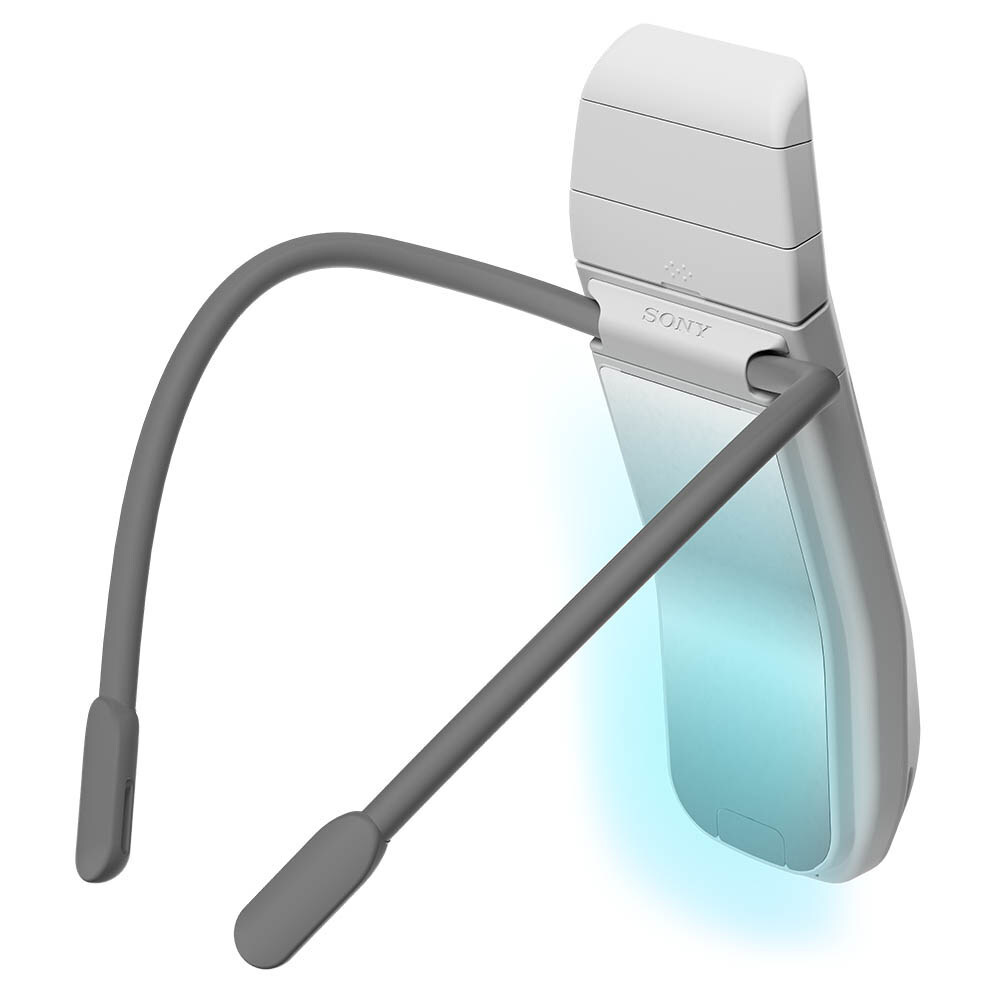
POTENTIAL SOLUTION: Sony’s wearable device that presses a thermoelectrically cooled metal plate against the back of the neck, offers discreet, low-energy personal cooling instead of blasting air conditioning.
A heat dome meets a pocket-sized cooler
A dangerous heat wave is settling over much of the United States this week, with about 162 million people across 35 states under heat alerts before the July Fourth holiday. The heat index could hit 40 to 46 Celsius in the United States. Meanwhile, Europe has also been facing a deadly heat wave at the same time.
Into that, Sony, the Tokyo-based electronics group, has been rolling out the Reon Pocket Pro Plus, a wearable cooler announced May 12, 2026. Worn at the base of the neck, it uses the Peltier effect to chill a small metal plate against the skin rather than blowing air, and Sony says it cools about 20 percent better than the prior model, with sensors adjusting the temperature automatically.
A crowded market, and real limits
Sony’s performance figures coming from the company claims the Pro Plus cools about 20 percent better than its predecessor and runs up to 15 hours in its energy-saving mode, though a Forbes hands-on test drained the battery in roughly 10 hours at a higher setting. Little peer-reviewed evidence shows such gadgets actually reduce heat illness, and Sony itself cautions that the device is not designed to prevent heatstroke.
The market it is entering is already large. Estimates vary widely, but research firms value personal cooling at several billion dollars a year, with body-worn devices the fastest-growing slice. Sony’s rivals run from Britain’s Dyson and its portable fans to fellow Japanese maker Fujitsu General, alongside countless clip-on neck fans and phase-change cooling rings. What makes Sony’s product stand out is its direct-to-skin thermoelectric cooling approach, controlled by an app and discreet enough to vanish under a collared shirt.

The appeal is partly about power: chilling one body uses far less energy than cooling a whole room, which matters when air-conditioning demand spikes and strains the grid. But the limitations are clear. At about £199 in the U.K. and €229 in Europe it cools only a small patch of skin, helps commuters and office workers more than the laborers most likely to suffer heatstroke, and does nothing about the overworked grids and sun-baked cities driving the danger.