

This article is an updated version of a related article written in October 2024 .
JSTORIES – Kyoto University (located in Sakyo-ku, Kyoto) and Sumitomo Forestry (located in Chiyoda-ku, Tokyo) announced that in December 2024, they successfully launched a small wooden satellite, about 10 centimeters on each side, from the Kibo (Hope) Japan Laboratory Module of the ISS (International Space Station) into space for the first time, marking a global first.
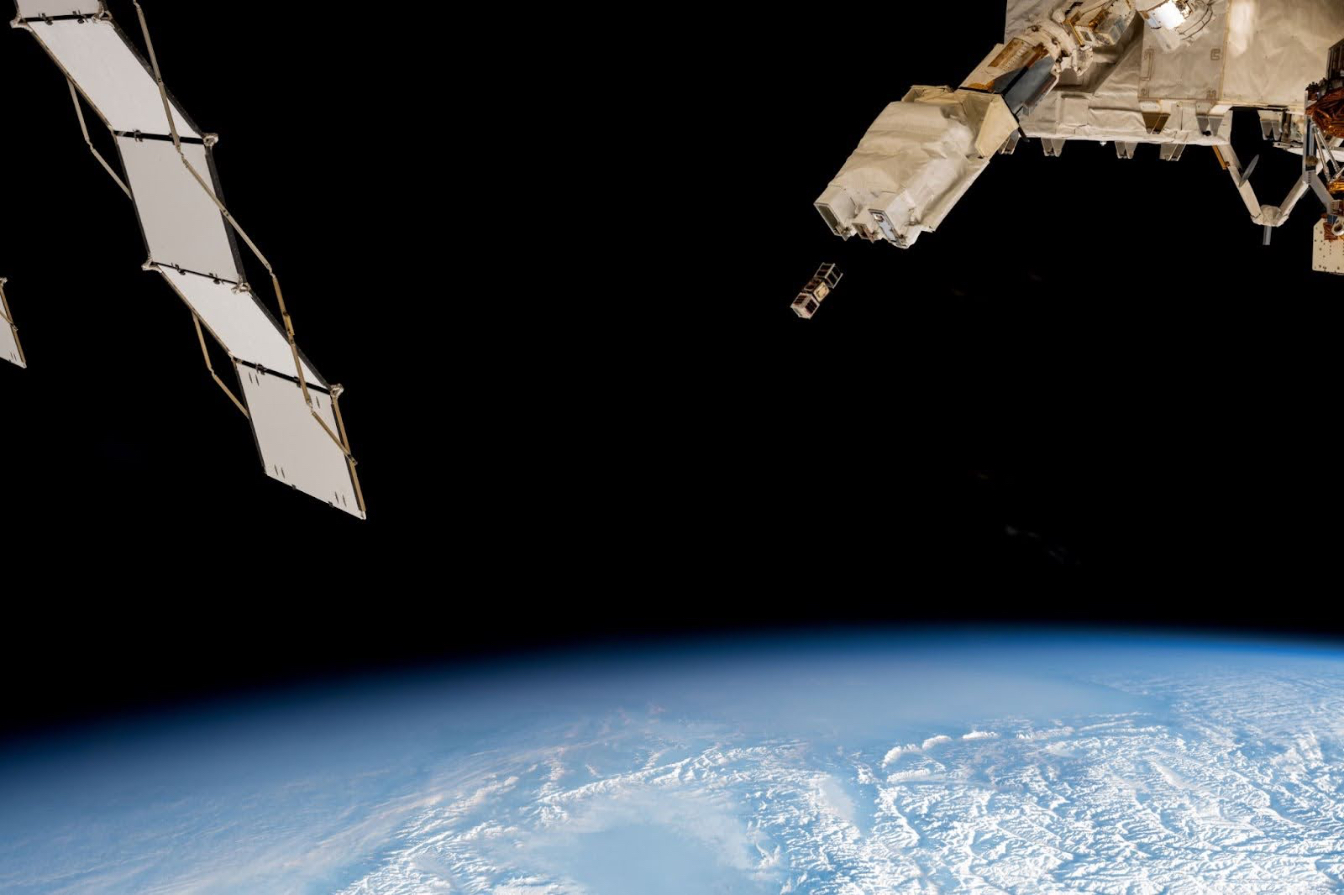
According to Kyoto University (located in Sakyo Ward, Kyoto City), the small artificial satellite released into space is currently orbiting the Earth and is scheduled to continue operating for the next three months.
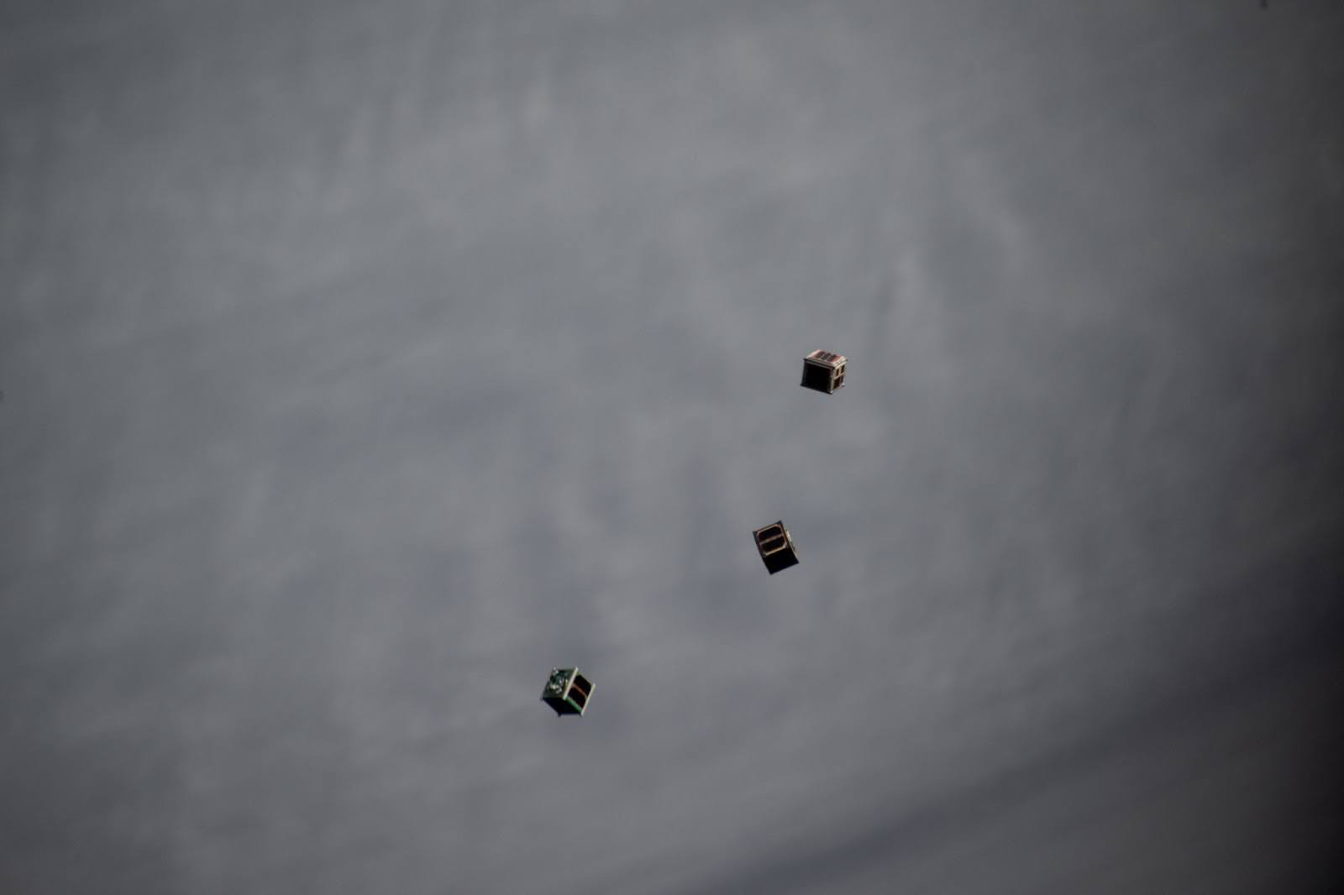
Furthermore, the wooden satellite’s structure remained stable in the space environment. Takao Doi, a former astronaut and professor at Kyoto University’s Graduate School who led the development, stated in an interview with JSTORIES, “The fact that the wooden satellite could maintain its shape in space proves that wood can also be used as a (structural) material in space,” and expressed his delight at this achievement.
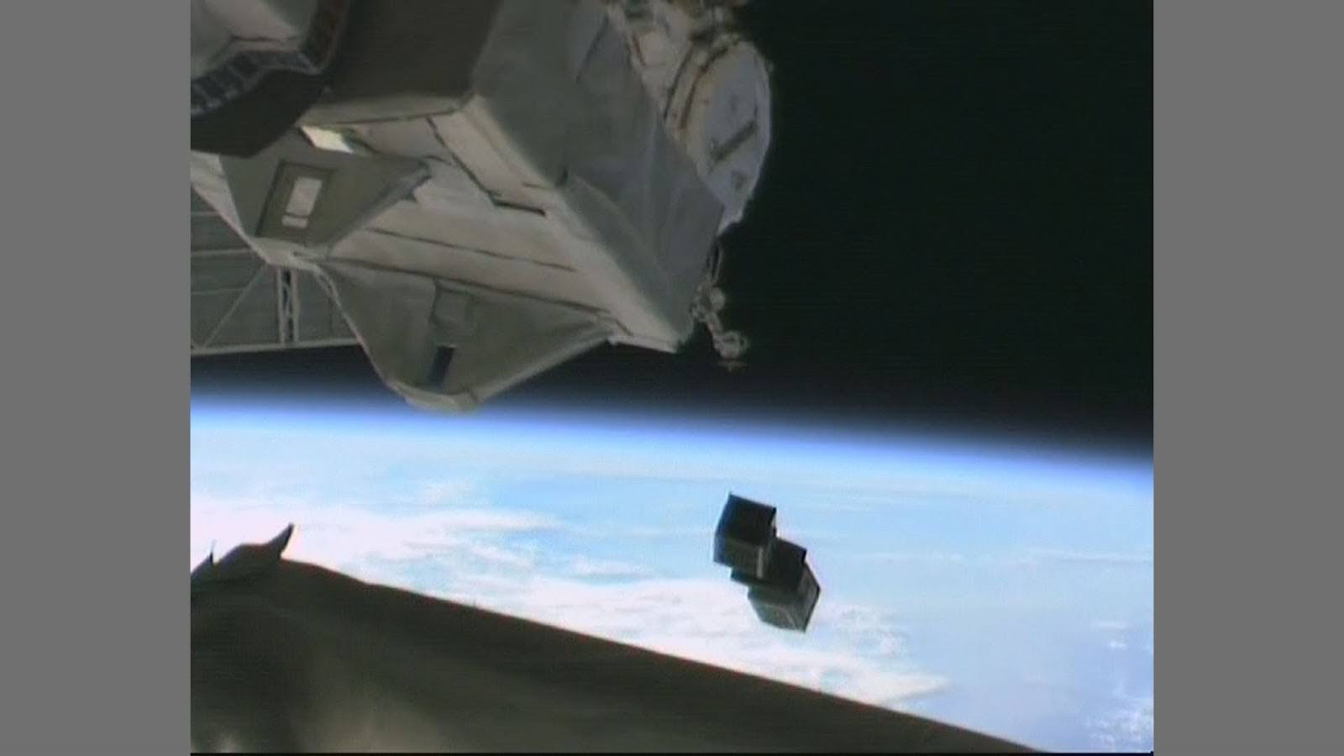
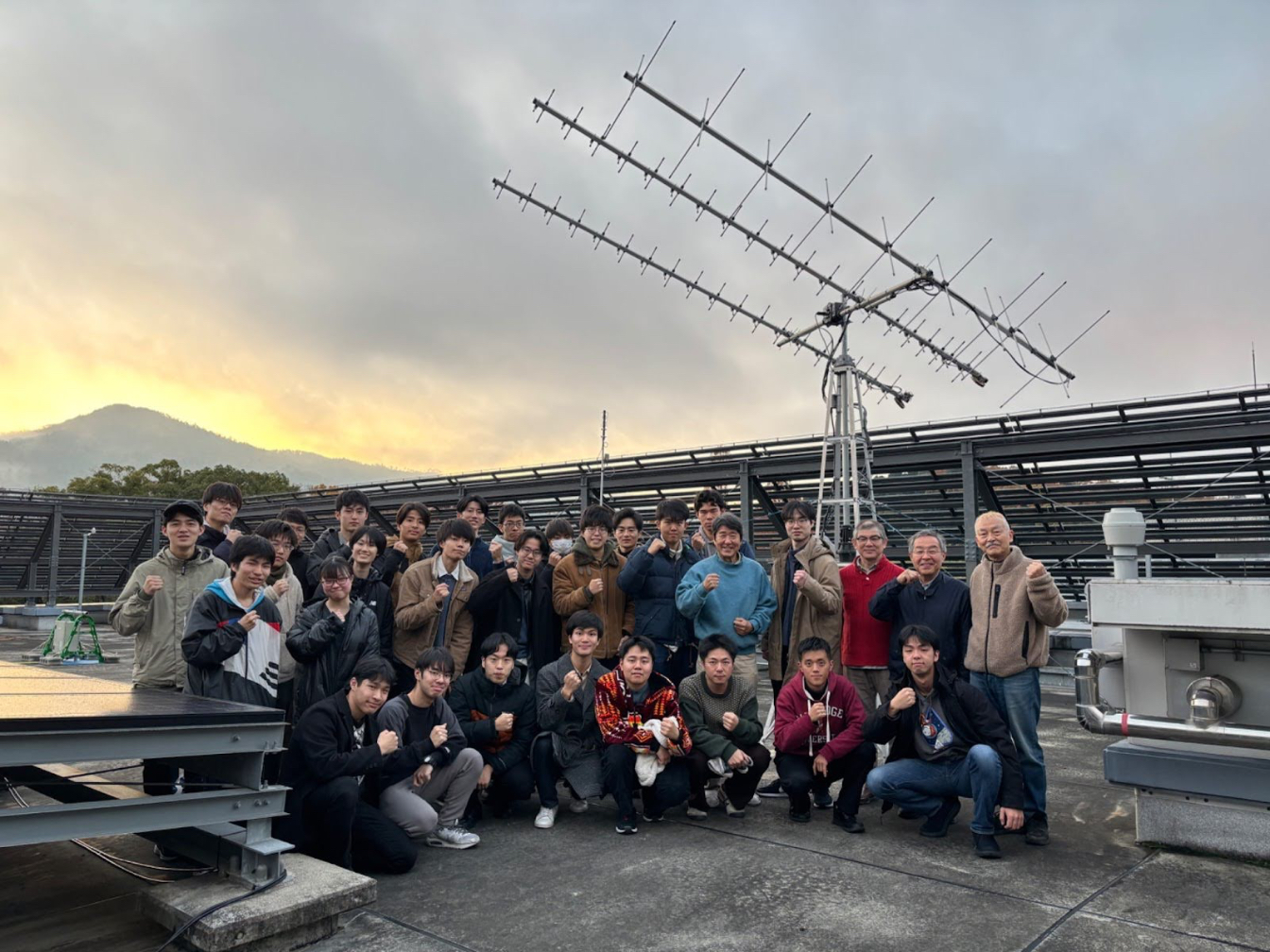
On the other hand, although the plan was to measure the deformation, internal temperature distribution, geomagnetic field, and software errors of the wooden structure after its release and transmit the data to a communications station located on the Kyoto University campus, no signal had been received from the satellite as of January 10, 2024. Kyoto University indicated that there could be several reasons for this, but one possibility was that the satellite’s power supply had not been turned on. Considering the possibility that some external shock might have restarted the power supply, the university’s student team will continue to be stationed in the communications room, attempting to maintain communication with the satellite until the very last moment.
Kyoto University has begun developing a second version of the satellite, which will be twice the size of the wooden artificial satellite. The satellite is scheduled for launch between 2027 and 2028.
As competition intensifies in the commercial development of space with its enormous potential, the amount of space debris , such as rockets, floating in space after completing their missions is rapidly increasing. If left unchecked, this could not only lead to satellite collisions but also exacerbate environmental pollution during atmospheric reentry, resulting in serious consequences.
To address the problem of space debris, which could become a hindrance to future space development, Japan has proposed a solution: developing wooden satellites. One way to deal with space debris is to re-enter the atmosphere and burn it up. However, traditional satellites are mostly made of metals such as aluminum or iron, which may not burn completely in the atmosphere, and the remaining metal fragments could cause environmental pollution or even abnormal weather. In contrast, wood can burn completely, thus significantly reducing these risks and becoming a more environmentally friendly option.
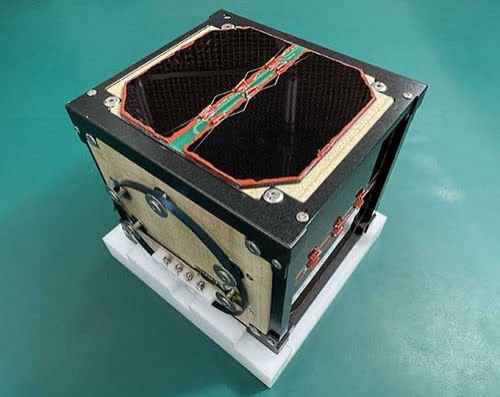
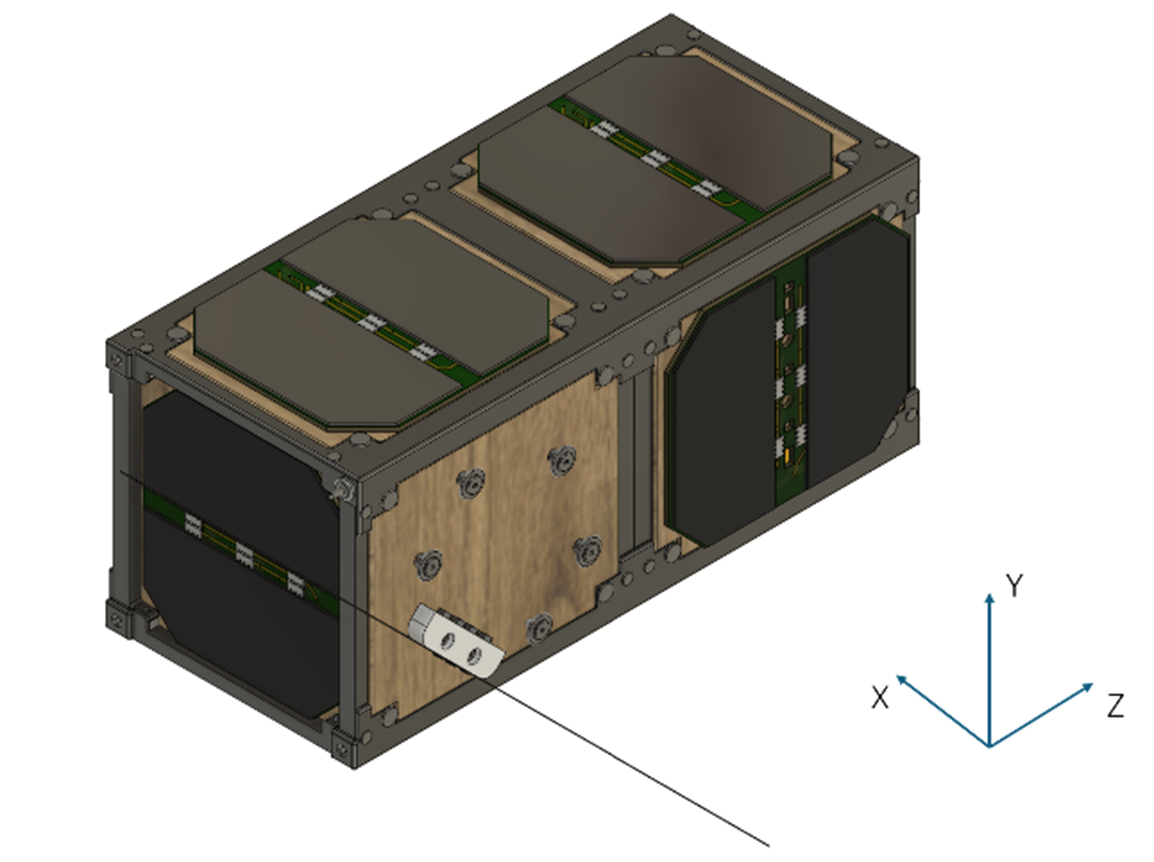
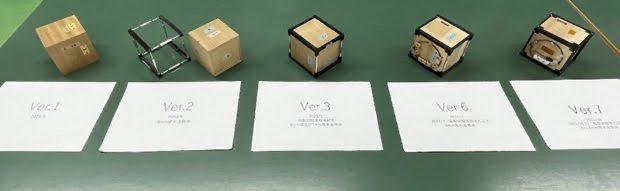
The wooden artificial satellite released into space is a tiny cubesat with sides measuring 100 millimeters. Completed after four years of development, it was delivered to JAXA (Japan Aerospace Exploration Agency) in June 2024. Following rigorous safety reviews by NASA and JAXA, the satellite successfully passed verification, becoming the world’s first officially recognized application of wood in space.
The satellite was launched from the Kennedy Space Center in Florida aboard a SpaceX Falcon 9 rocket and transported to the International Space Station (ISS). It was subsequently released into space from the Kibo spacecraft in Japan in December.
The properties of wood allow it to penetrate electromagnetic waves, which means that antennas, which would normally need to be installed on the outside of a satellite, can be housed internally. This not only simplifies the satellite’s structure but also reduces the risk of malfunction. Furthermore, since there is no moisture, oxygen, or bacteria in space, wood will neither burn nor rot in the space environment.
However, the surface temperature of the International Space Station varies drastically: exceeding 100°C under sunlight and falling below -100°C when unexposed. Furthermore, space is subject to intense cosmic radiation and ultraviolet radiation. In such extreme conditions, whether the wood can ensure the satellite’s safety becomes crucial to the project’s success.
According to Cabinet Office data, a record 2,368 satellites were launched globally in 2022. This represents an 11-fold increase compared to 10 years ago, demonstrating the growing urgency of the space debris problem and highlighting the need for more effective measures to address this challenge.
Update: Isshiki Chongdian
Author of the article: Yuko Ohira
Editor: Kitamatsu Katsuro
Homepage photo: Provided by Kyoto University and Sumitomo Forestry
For inquiries about this article, please email jstories@pacificbridge.jp .